
My Retirement Diary 2026 January-June
My Retirement Diary 2026 Jul-Dec, 2026 Jan-Jun, 2025, 2024, 2023
Designing Your Retirement is my free, evidence-based roadmap to a happy, healthy, and fulfilling retirement.
Click on images to enlarge.
June 25, 2026
On Why Susan Sontag Kept a Journal
Gail recently mentioned a statement Susan Sontag made regarding the reason she kept a private journal.
In Susan Sontag’s Reborn: Journals and Notebooks, 1947–1963 (entry dated December 1957), published posthumously by her son, she wrote:
On Keeping a Journal.
Superficial to understand the journal as just a receptacle for one’s private, secret thoughts—like a confidante who is deaf, dumb, and illiterate. In the journal I do not just express myself more openly than I could do to any person; I create myself. The journal is a vehicle for my sense of selfhood. It represents me as emotionally and spiritually independent. Therefore (alas) it does not simply record my actual, daily life but rather—in many cases—offers an alternative to it.
I initially had some trouble deconstructing the meaning of this. Looking for insights, I pasted it into three different AI models (Gemini, ChatGPT, Claude.) After several iterations, including additional queries, and pasting one AI model’s response into another AI model and asking questions, I came to understand that while Sontag recorded the events of her life in her notebooks, the primary purpose was not simple documentation. It was a space where she could actively construct (create) the person she truly was, the self that exists when entirely freed from the pressures, expectations, and influences of the outside world. This written self represented her authentic identity, even when it differed from the person she experienced in her daily life.
As a result of this investigation, I learned that psychologists and literary theorists categorize reflective writing into three variants:
- Expressive writing: Writing explicitly to process complex emotions and understand oneself.
- Narrative identity: Constructing a coherent sense of self by building structured stories about one’s life, thereby giving one’s life “meaning.”
- Possible selves: Imagining future versions of oneself to serve as a roadmap and motivate future behavior. (I don’t do this.)
Why Do I Journal?
I probably have addressed this question previously in my diary, but today I am not going to look back.
I maintain this online journal because:
- I want to document what I have been doing, thinking, and feeling. I cannot say that the latter is 100% candid. Naturally, there are things I keep out of the public eye because I don’t want to embarrass myself or someone else. Other times, I may not understand what motivated me or why I did something – and in those cases I may be unwilling to create a public post. Of course, what I reveal to the public is the image that I am willing to reveal.
- Sometimes I get an idea into my head and I can’t get the thought out of my head unless I write about it. That is true for many of my blog postings, but it’s also true of some of the stuff that I posted in this online diary.
- Sometimes there are things that I want to share with the world, like my creations, and this seems like an appropriate venue
- Sometimes the process of writing helps me better understand myself.
- It is definitely true that writing helps create a “narrative identity,” a story that shows me that my life has “meaning.”
June 7–21, 2026
Since our return from Italy, it has been a bit problematic getting back on schedule, as Italy is six hours ahead of Boston time.
Gail and I saw a play at the Central Square Theater: The Mystery of Irma Vep – A Penny Dreadful. According to Wikipedia, “It is a satire of several theatrical, literary and film genres, including Victorian melodrama, farce, the penny dreadful, Wuthering Heights and the Alfred Hitchcock film Rebecca (1940).“
The play was first presented off-Broadway in 1984. The New York Times originally praised it as “Far and away the funniest two hours on a New York stage!” This particular production leaned heavily into campy gay slapstick comedy, but it failed to engage me emotionally, so we chose to leave at intermission. Clearly, we were not the target audience; however, the rest of the theater seemed to be thoroughly enjoying the performance, and the run at Central Square Theater has already been extended.
Movies
I watched two movies over the last two weeks. First, Gail and I saw Steven Spielberg’s most recent release, Disclosure Day. Spielberg has explored the theme of extraterrestrials visiting Earth across his career: Close Encounters of the Third Kind (1977), E.T. the Extra-Terrestrial (1982), War of the Worlds (2005), Indiana Jones and the Kingdom of the Crystal Skull (2008—where the entire plot hinges on ancient alien artifacts), and Disclosure Day (2026)
In a recent interview, Spielberg remarked, “I am the aliens biggest champion; the aliens owe me a personal visit,” or something to that effect. The plot has apparently been developing in Spielberg’s mind for decades, with the final script co-written by him and David Koepp. Although the film was long—running 145 minutes—at no point past the 30-minute mark did I consider leaving the theater, which is something I do with some frequency. Both Gail and I genuinely enjoyed it; Gail noted that “it was fun.”
On Juneteenth, I went to the Brattle Theatre (Harvard Square) to see Spike Lee’s 1992, 202-minute film Malcolm X for the first time. I am so glad I did. About a year ago, I read Joy-Ann Reid’s 2024 book, Medgar and Myrlie: Medgar Evers and the Love Story That Awakened America. These two production taught me a lot.
I was born in 1954, the year the Supreme Court issued its landmark Brown v. Board of Education of Topeka ruling, declaring racial segregation in public schools unconstitutional and overturning the “separate but equal” doctrine. I was too young to participate in the civil rights movement, I was only ten years old when Martin Luther King Jr. led the marches across the Edmund Pettus Bridge in 1965 and can’t recall the my awareness of the march.
To put my youth into the temporal political landscape, consider these assassinations:
- Medgar Evers was assassinated on June 12, 1963
- President John F. Kennedy was assassinated on November 22, 1963
- Malcolm X was assassinated on February 21, 1965
- Martin Luther King Jr. was assassinated on April 4, 1968
- Robert F. Kennedy was assassinated on June 6, 1968
Because I grew up at the tail end of the civil rights movement (we are now obviously regressing) I thought I possessed a reasonable understanding of United States civil rights history. However, these two biographical sources exposed significant gaps in my knowledge. I really should have been taught more contemporary history when I was in high school.
When I was nearly 10 or 14, I remember being in my parents’ bedroom with my mother at the moment the radio announced that John F. Kennedy or MLK had been assassinated. I remember her bring her hand to her mouth in shock, but not more. I also remember the bed was neatly made and covered in a heavy bedspread, and the arrangement of the bedroom furniture.
MIT Club of Boston MFA Tour
The tour I organized for the MIT Club of Boston at the Museum of Fine Arts Conservation Center was successful. Out of the 24 people who registered, 20 attended. The remaining four individuals apparently arrived late, they called my mobile phone from the museum entrance at exactly 10:00 AM. I could not reasonably ask the rest of the group to wait another five or ten minutes while the latecomers navigated their way through the museum, so they never caught up with us.
We split the attendees into two groups of ten. We received lectures about a sculpture and a cross that were being restored by two conservators, followed by a presentation from a conservators who explained the technical methodologies used to analyze historical pigments. While the first two presentations were engaging, the color lecture nearly put me to sleep.
I need to decide if we will host this event again later in the year – I suspect others would be interested in attending. I emailed the attendees requesting feedback on what elements worked best and where we could improve; but I only received four replies, which isn’t a statistically useful sample size, though I will take those specific comments into account. Ideally, I would like to offload the coordination of the MFA tour for the MIT Club of Boston event to someone else. One of the regular participants in my retiree brunch groups is a docent at the MFA; she would be the perfect candidate to take over. TBD.
Social
Last week we had our spring semi-annual Somerville Neighborhood Potluck Dinner, which was attended by roughly 15 residents. It was held in Mary’s backyard on a beautiful summer night. I had insisted that everyone wear name tags as I am certain that not everyone in the neighborhood knows everyone else’s name, and I am equally certain that name tags actively lower the barrier for dialogue between strangers. I have no empirical data to back this up—it is a pure gut reaction—but I am willing to bet on it. I brought two card tables and extra chairs and set them up in Mary’s backyard. Most dined outside. The food was great and we met several new neighbors; everyone seemed to enjoy themselves, remaining for at least three hours.
My all-male retirement group, REMBrunch (Retired Elderly Men), met four days ago and it was a lot of fun. We had an engaging discussion regarding contemporary politics and the ethical dilemma of whether a person should vote for a flawed but apparently reformed candidate (such as Graham Platner with his Nazi tattoo) to prevent a greater structural harm—namely, further entrenchment of authoritarianism / fascism in America.
Back in 2024, I wrote an essay addressing this exact philosophical dilemma: “Political Purity at the Ballot Box Will Be Counterproductive and Is Immoral.”
I don’t believe our brunch conversation changed anyone’s entrenched position. Nevertheless, I find these debates useful as they force me to refine/improve my arguments and occasionally require me to rethink my position.
Reading over what I have written, it is rewarding to me to see that my effort to “build community” during my retirement is clearly Clearly, it is paying off. I omitted mentioning earlier that two of my regular retirement brunch groups also met over the last two weeks, and our cycling group managed to complete rides on both of the last two Thursdays.
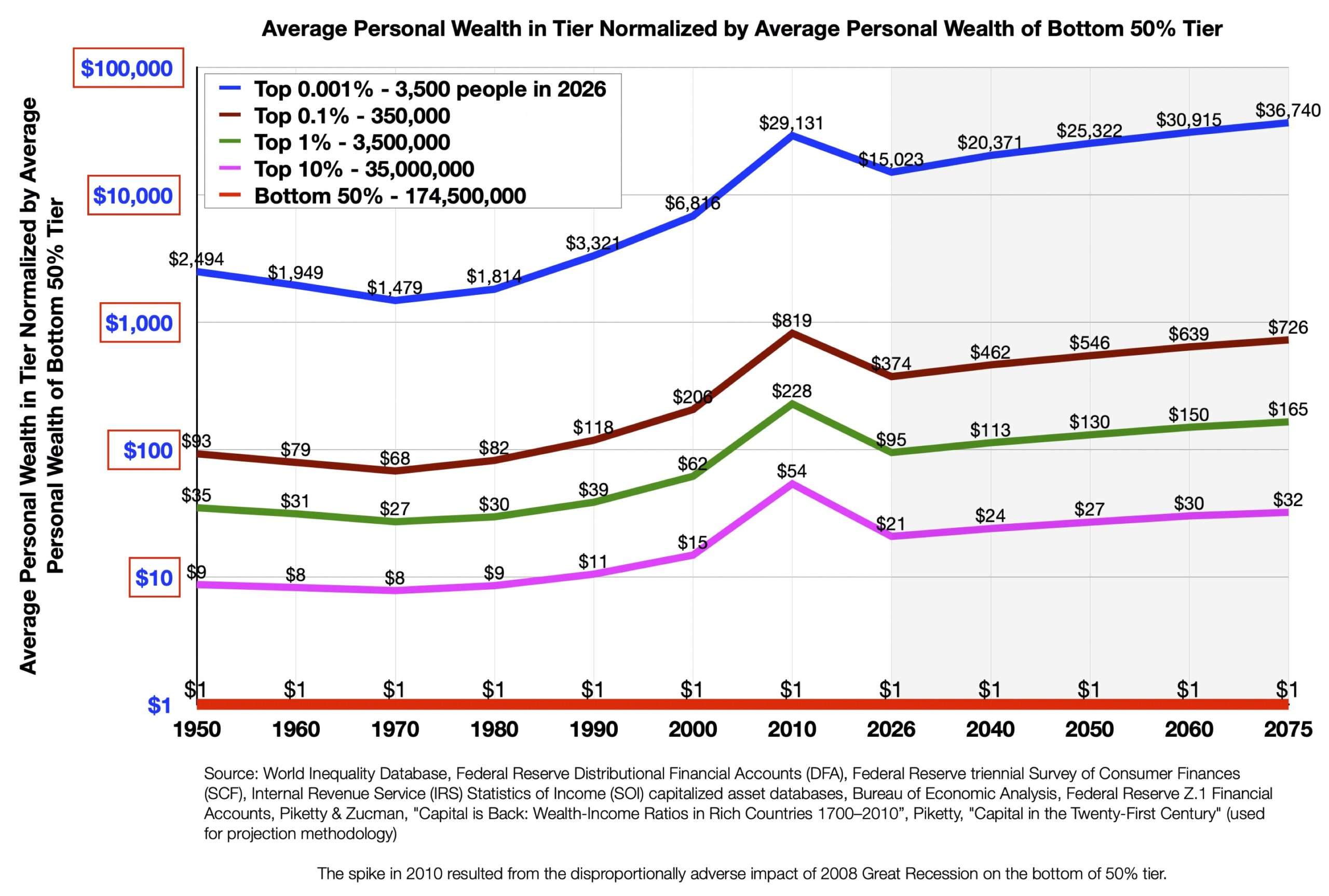
I am currently developing a new essay tentatively titled, “The Wealth Ceiling: Zillionaires or Democracy, But We Can’t Have Both.” I have constructed a comprehensive data graph based on objective historical metrics illustrating that economic inequity in America is historically severe, actively deteriorating, and projected to worsen. This essay will require significant time to fully mature.
I have begun listening to Carl Sagan’s audiobook “Contact.” While I saw the movie when it came out and enjoyed it, the book won a Pulitzer Prize.
June 7, 2026
As I mentioned previously, I am listening to the audiobook version of Tolstoy’s Resurrection, published in 1899. Today I came upon a vignette that struck a chord.
Prince Dmítri Ivánovitch Nekhlúdoff has just explained to his sister, Nathalie Ivanovna Rogózhinsky, the horrors, errors, and systemic cruelties of the Russian judicial and penal systems.
“But what are you going to do?” Nathalie continued.
“What I can. I don’t know, but I feel I must do something. And I shall do what I am able to.”
Nekhlúdoff’s statement accurately captures my mindset regarding our current political landscape. The scale of the damage inflicted on our democratic institutions is overwhelming, and the path to systemic reconstruction is far from certain—especially since conditions will likely get worse (re: Inside Trump’s Effort to “Take Over” the Midterm Elections,) and could easily become far, far more dire and deadly. Like Nekhlúdoff, I am driven by the conviction that sitting idly by is not an option, yet I remain uncertain what I should do next. For now, I will continue as I have done, focusing my energy on the initiatives detailed in the prior entries of this diary.
May 19 – June 6, 2026
Politicking
I posted my essay A Democracy That Works for “We the People” which, not surprisingly, landed with a thud on my blog.
I sincerely believe that most Americans are furious that the political system is rigged in favor of the rich. The Democrats should harness this anger as the engine to drive the autocrat out of power, allowing us to rebuild our democracy. Although many suggest the Democrats should “move to the political center,” I believe they have done this repeatedly, a strategy that has consistently driven their polling numbers into the cellar. While moving to the center could still occasionally bring them into power, it has not, and likely will never, yield the overwhelming political mandate needed to shift the balance of domestic political power away from the extremely wealthy; and this failure ensures America’s economic inequity will persist, leaving the door wide open for another nativist populist to quickly remove the Democrats from power and allow an authoritarian to permanently kill America’s democracy.
My essay “A Democracy That Works for We the People” was created as a roadmap to avoid that undemocratic end.
The synopsis of my essay is:
America’s government has been rigged by the rich to favor the rich. As a result, the American Dream is no longer a reality for the majority of Americans.
If we:
- Expand the Supreme Court to 13 justices;
- Impose a $1 billion wealth ceiling;
- Institute a 1%, loophole-free corporate wealth tax; and
- Enact a graduated personal wealth tax, (proposed wealth tax chart)
Then we can:
- Eliminate federal taxes for the bottom 90% of Americans;
- Reclaim political power from the billionaire class and return it to We the People;
- Create a government that works for the middle class; and
- Re-awaken the American Dream for everyone.
Or we can blithely “stay the course” on our path into the abyss of authoritarianism and geopolitical irrelevance.
A few days after posting the essay, I became aware of NotebookLM’s ability to create an audio-video overview based on submitted text. I gave NotebookLM the URL for my essay and it generated a very impressive 5 minute video. I then used Apple’s iMovie app to modify some of the images created by NotebookLM and posted the revised video on YouTube (it is also linked in the essay.) Here is a direct link to the video on YouTube. If you watch it, let me know what you think.
Social Media Postings
I have continued to post political comments across social media, including Bluesky, X, Facebook, and Threads. Some of my posts are designed to lead readers back to an essay I wrote and posted on my blog; others are written to inflame the reader, under the premise that emotionally triggered readers are more likely to vote. Here are a few of my recent social media posts, texts and image:
Like Putin & Xi, Trump will eventually make it clear to his billionaire bros that they must make regular “donations” to Trump, or else.
I would love to be a fly on the wall to see the face of these billionaire bros when they understand the consequences of the actions.

Wake-up America, we have a mole in our midst!
Since the 2018 Trump-Putin Helsinki Summit Trump has worked to destroy America’s
geopolitical power,
scientific community,
free press,
democracy,
economy,
undermined our elections, and
sided with Putin over CIA, FBI, and NSA.
Trump is Putin’s puppet!

I have used this graphic with three different messages:

To prevent billionaires from exerting disproportionate influence on our government, we need a:
$1B WEALTH CEILING
$1B is enough to live lavishly, and the only reason to have more is to buy a politician or a justice.
Democracy or billionaires; We can’t have both!
Essay: ihaveanidea.us/blueprint/
YouTube Video
___
America does not work for most Americans, because
America is rigged by the rich, for the rich. Fortunately,
America, there is a path forward: An
America that works for all Americans, an
America built on new ideas, an
America that embodies the American Dream for all.
Essay: ihaveanidea.us/blueprint/
YouTube Video
___
America:
Rigged by the rich,
For the rich.
* Expand SCOTUS to 13 justices
* Impose $1B wealth ceiling cap
* Institute 1%, loophole-free corporate wealth tax
* Enact graduated personal wealth tax
No taxes for bottom 90%
Essay: ihaveanidea.us/blueprint/
Video-5 min: youtu.be/J21HbqyUxe0
SCOTUS says corporations are “people.”
But when they knowingly and maliciously cause mass harm, they pay fines and move on.
What if the penalty were dissolution—and personal accountability for executives?
https://www.ihaveanidea.us/supremecourt/

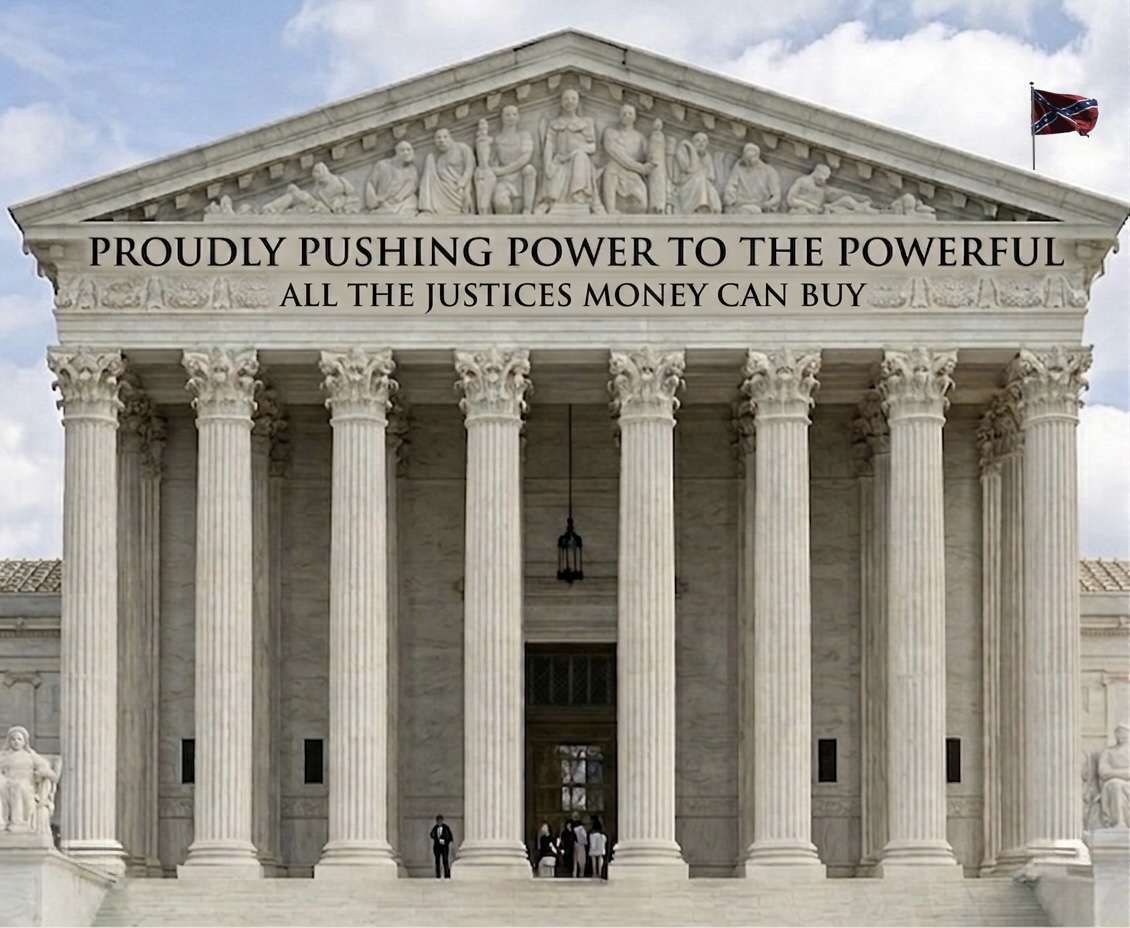
All the JUSTICES money can buy – petty cash to a billionaire.
Our kleptocratic, racist, GOP Supreme Court.
https://www.ihaveanidea.us/supremecourt/
Trump fatally shot Lady Liberty!
Democracy is dead;
Authoritarianism is here;
Fascism is Trump’s end-game!
Democrats, TRY SOMETHING DIFFERENT: iHAVEanIDEA.us/NOVELideas/

An Idea for Somerville
About 2 weeks ago, I meet with MT, he manages Honk! – an annual music festival in Somerville to discuss an idea I had for a seasonal food truck festival. About ten days ago, I sent the following proposal to our local government representatives. Hopefully, someone will get back to me soon.
Dear Mayor Wilson, Ms. Beattie, Councillors Sait and Davis,
I want to propose that the city of Somerville schedule a quarterly “Culinary Celebration of Somerville’s Seasons” in an effort to foster community, celebrate New England’s four seasons, and promote Somerville’s culinary diversity and open spaces.
The event would occur on the Saturday closest to each equinox and solstice, from 3 to 8 PM, on the Somerville Community Path between Willow Street and Cedar Street. During this window, food trucks, food entrepreneurs, and restaurants, who purchase a one-day city permit, would be allowed to set-up and sell food and non-alcoholic beverages on the Community Path, recessed from the Path, so as to avoid interfering with the cyclists and pedestrians.
As someone who walks and cycles this path multiple times a week, I know firsthand that this stretch has wide, flat, unpaved shoulders on both sides, as shown in the photo below, that could comfortably accommodate, by my count, up to 2 dozen vendors, without disrupting the flow of pedestrians and cyclists. Given the venue’s lack of electric and water infrastructure vendors would be responsible for sourcing their own utilities using silent, zero-emission power sources.
A modest vendor permit fee could help defray the city’s expense of installing temporary trash receptacles, portable toilets, and public safety oversight. It might also be possible to obtain additional funding from local civic-minded businesses, charitable organizations, universities, and vendor trade groups.
The Somerville Community Path is one of our city’s greatest assets. Establishing a quarterly seasonal culinary celebration would further integrate this greenway into the fabric of our daily lives, build a more integrated community, attract new customers to Somerville’s businesses, and reassert Somerville’s role as an innovator in creating community events.
I look forward to hearing your thoughts on how we might pilot this initiative.
Home Renovations
Work continues to move forward; hopefully, the roof will be sealed from the elements within 1-2 weeks. I recently had an idea to add a west-facing porch on the front of the house, up on the third floor so Gail and I can watch the sun set. Before we commit to this change, we will need to know the incremental cost, but I do not believe it will be excessive.
As I am writing the first draft of this diary entry, I am at an altitude of about 36,000 feet, heading back to Boston after a week’s vacation in Italy. Bottom line, it was a wonderful trip.
Every two to three years for the last decade, Gail and I have rented a house with three other couples whom we have known since 1985; I did my internship/residency with five of these people at Vanderbilt. In 2016, for the first time since our residency days, the eight of us, D&R, P&R, T&D, Gail and I, rented a house for a week on the Chesapeake Bay in Maryland; we spent most of our time simply talking, and it was wonderful. Since then, roughly every two years, we have rotated locations, renting homes in Bar Harbor Maine, the Florida Keys, and Kauai Hawaii. This past week, we rented the Villa Chiovenda Residenza D’Epoca in Premosello-Chiovenda, Italy.
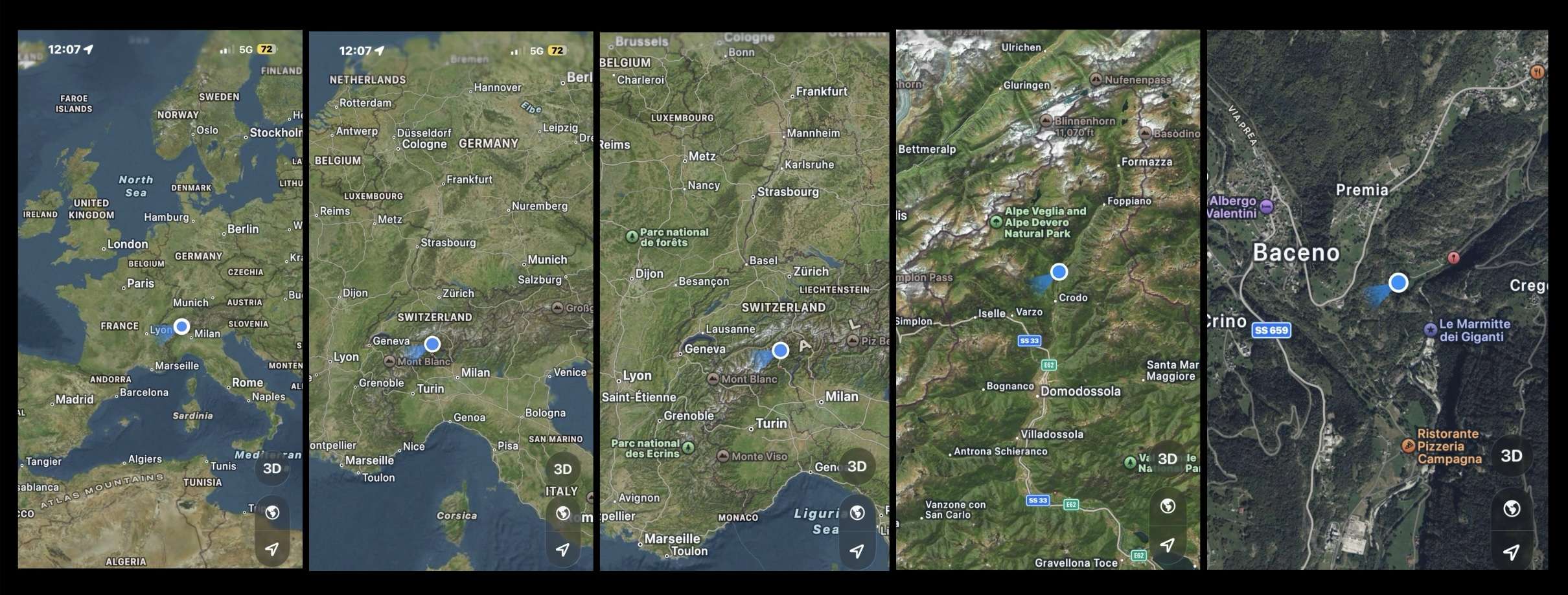

The Villa, originally constructed in the mid-1700s and meticulously restored between ~2015 and 2017 by its current owner, Claudia, is spectacular. Located about an hour north of Milan near Lake Maggiore in the lakes region, situated right at the foothills of the Alps near the Swiss border, the estate features six bedrooms, a fully equipped kitchen with two espresso/coffee machines, a formal dining room, a parlor, a swimming pool, an interior courtyard, a locally curated wine cellar, and an expansive garden with multiple outdoor seating areas. You can see photos of the Villa at the above link.
The staff, Claudia, Antonia, and Mertia, prepared all breakfasts, and several elegant suppers. They could not have been kinder or more professional, – they all get an “A+.” Antonia, whose passion is wines “there is always something new to learn,” was our sommelier for an evening and her enthusiasm for wines was contagious. Many of the wines served, all produced locally, are of such small volume that they are unavailable elsewhere. We even had a delightful white Merlot. One of our contingent, R (of P&R) is passionate and extremely knowledgeable about wine – so every time we get together he will say something like “Hayward, I know you particularly enjoyed drinking XXX, so here is a YYY which I think you will appreciate.”
Using the Villa as our geographic base, we visit a marble quarry, hiked through a verdant gorge, took a boat ride to three islands on Lake Maggiore where we toured regal historic estates (one hosted Napoleon), explored a spectacular arboretum/garden, and ate at several restaurants. The food ranged from “good” and fresh to truly creative and delicious; a pizza restaurant fell squarely into the latter category.
Marble quarry

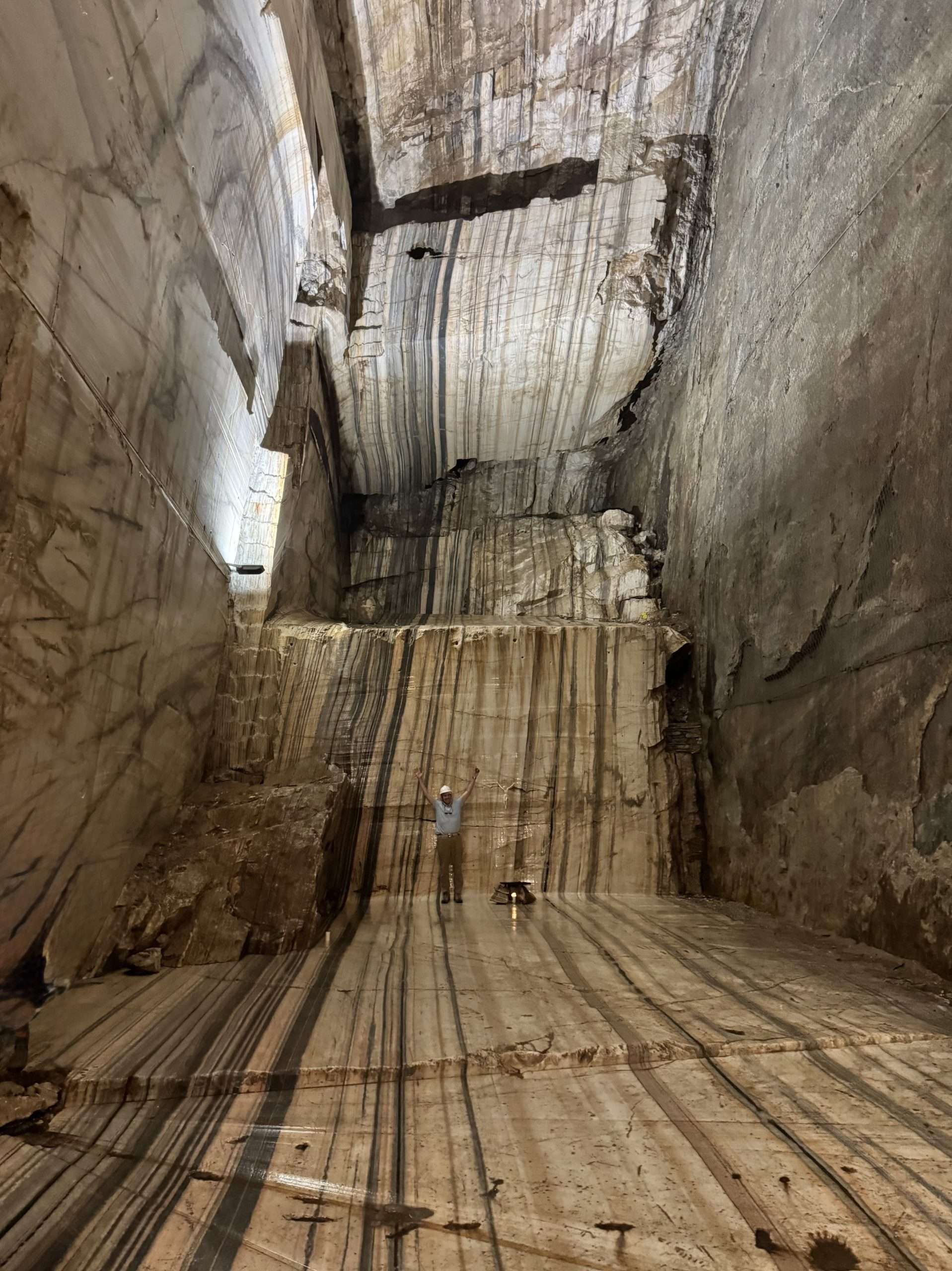
Room in an estate on an island in Lake Maggiore

When I had moments of “free play,” I continued listening to my audiobook, Tolstoy’s “Resurrection.” In large measure, (at least so far,) Tolstoy focuses on Russia’s deeply inequitable late-19th-century judicial system, which systematically imprisoned peasants for trivial offenses, often despite clear evidence of innocence, while permitting aristocratic princes who committed violent crimes to walk free.
Tolstoy also details the stark and immense economic inequity in which a peasant who works for a prince cannot afford to feed their children, while royalty live mostly non-productive lives, blissfully ignorant of the deprivation of their servants and peasants, or fully aware of the economic disparity but believing it is the natural order of life that must be preserved.
Walking through the historic, manicured homes and gardens on Lake Maggiore once owned by Europe’s wealthiest 0.001%, I couldn’t fail to notice how little has actually changed over the last several millennia of human history. Homo sapiens is truly a horribly self-centered species.
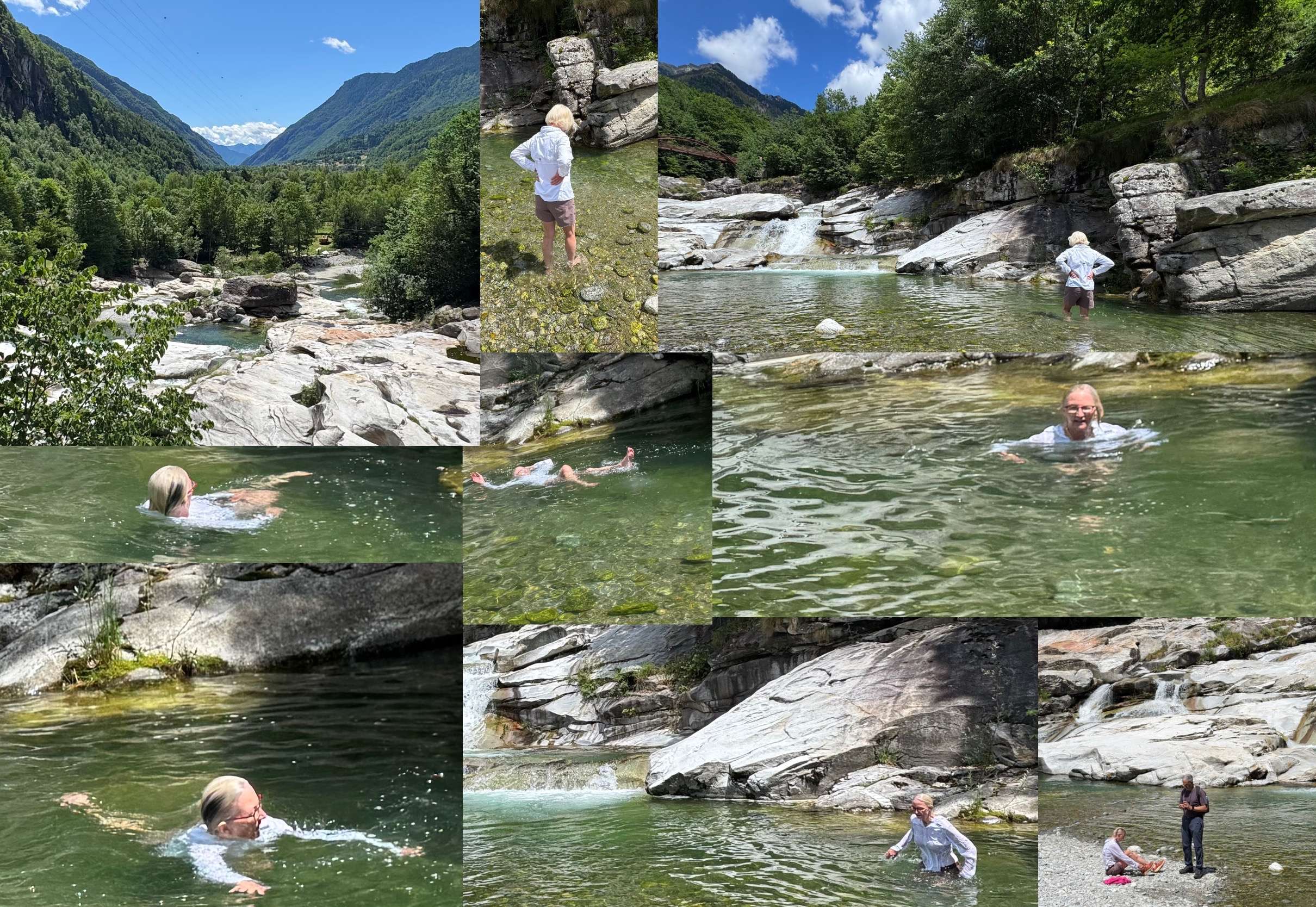
At the end of our hike through the alpine gorge, we encountered a mountain stream cascading down the rock face, pooling briefly in several shallow basins. As a child, Gail regularly played and swam in the frigid water of Scituate, Massachusetts, just south of Boston. Undoubtedly these childhood experiences reset her temperature pain receptor and restructured her brain so that she is drawn to water like a moth to a flame. Neither freezing water of a mountain runoff, a crisp spring alpine breeze, nor a posted legal prohibition against swimming will dissuade Gail from dipping her toes (or dunking her entire body three times) into a clear body of water; only the presence of significant quantities of vegetable matter will keep her on dry land.
Gail swimming in a mountain stream at the end of our hike through a verdant gorge
Our group had a discussion as to where we should go for our next adventure, maybe in the summer of 2027; of course we assume we will remain healthy enough to travel. I will investigate Alaska (which I have visited thrice, Gail once) and the Tetons/Yellowstone (Gail and I have visited several times.)
As I finish this diary entry, I am still at 36,000 feet, but now have only 2 hours remaining in my 8.5 hour flight. Even though my vacation in Italy was everything I could have hoped for, I am very much looking forward to getting home, seeing the status of our renovation, getting my dogs, looking forward to meeting Banks at out family gathering in Scituate MA on July 4th, and planning the next stage of my retirement.
May 9-18, 2026
An Interesting Essay
A friend of mine, L, sent me a very interesting essay titled Beyond skills: Why story will define survival in the AI age by James Yoonil Auh. In essence, the essay argues:
“When knowledge becomes abundant, information loses its scarcity value, technical execution becomes increasingly automatable, and competence alone no longer differentiates. In such an environment, the critical question is no longer ‘What can you do?’ but rather ‘What does your work mean, and why does it matter?’ … If skills no longer differentiate, then something else must – and that ‘something’ is no longer technical.”
The essay goes on to argue that what will differentiate people is not the ability to use AI but the ability to use AI to assemble some AI derived “facts” and calculations, which when combined with one’s personal experience, lead to the creation of a “story” – a vision of where we (humanity) should go next. The essay says this much more eloquently: “To have a story is to possess coherence over time – the capacity to connect past experiences, present actions, and future intentions into a meaningful trajectory. … a story is not something one tells after the fact; it is the structure through which a life becomes intelligible in the first place….”
“Historically, universities have served as institutions for the production and transmission of knowledge. In the AI era, they must fundamentally reorient toward meaning construction and narrative formation. This does not imply abandoning rigour or disciplinary knowledge. Rather, it requires reconfiguring how knowledge is taught, assessed and integrated into a student’s intellectual identity…. “
“If universities fail to adapt, they risk producing what might be called the storyless graduate: technically capable and credential-rich, yet unable to articulate purpose, direction or meaning…. Curricula must move from fragmentation towards narrative integration… (teaching students how)… to connect disciplinary knowledge with personal direction…. For universities, the implication is immediate: curricula, assessment and pedagogy must no longer be designed solely to produce competent graduates but to cultivate individuals capable of interpreting, connecting and making sense of what they know..”
If you have an interest in AI and/or education then you should read the essay.
I use Google Gemini to help me write my essays. Before I use AI, I write a first draft of the “story or vision” I want to convey. I try to structure my essays as if they are a mathematical proof. I start with a fact or undeniable statement; that logically leads to Step 2, which then leads to Step 3,… and ultimately to the conclusion. Assuming the initial fact is correct and my “calculations” are done properly, then the conclusion must be factually accurate.
I use AI as a research tool, to help me fill in the facts and better understand some of the technical aspects that may be outside my area of expertise. After all the logic and equations are down in the proper order, I then use AI as an editor to improve my grammar, find holes or weaknesses in my logic, and otherwise fine tune my mathematical proof, ensuring the essay is logical, bullet-proof, well written and accurately conveys my vision of the story. Hopefully, I am more successful than not.
Home Renovations
Of course, the home renovations continue.
As I discussed in my last entry, Gail has moved out of our Somerville home because it is noisy during construction and dirty all the time. Henceforth, she will mostly stay in the family summer “cottage” in Scituate, Massachusetts. I will be in Scituate about half the time and stay in our Somerville home half the time – or until I can no longer tolerate the dirt/noise.
Today, the crane came and the construction crew ultimately succeeded in moving the steel beams onto the top of the house, which currently is the floor of the third floor. The rough framing is starting to go up around the perimeter of the third floor and by mid-July, the exterior of the house should be done and the interior will be rain-proofed.
In Scituate
I spent yesterday down in Scituate and it was beautiful, mid-70s. We ran the dogs at Egypt Beach and Gail went swimming, ocean temperature 49°F. Gail’s sister J, one of J’s daughters, and her boyfriend were also in Scituate. At about 4 PM we all went to TK O’Malley’s in Scituate Harbor and just talked – it was a delightful afternoon.
Retiree Brunch Groups
I’ve had two people leave my retiree brunch group – one person moved to Florida, and the other person was attending two groups and decided one was enough. Fortunately, I had several people who wanted to join the group so I’ve replaced those two who have left. I suspect that it will work out well for both of these groups, each having one new member.
Entertainment
There are two movies that I had wanted to see, “The Sheep Detectives” and “Silent Friend,” as the reviews I read were very positive. We couldn’t see the movies in Scituate as these are somewhat artsy movies and the one theater doesn’t run artsy movies. But back in the Somerville area, there are plenty of places to see artsy movies. We saw “The Sheep Detectives” which was charming, Gail absolutely loved it, and I’m glad I went to see it. I’ll soon find a venue that is playing “Silent Friend.”
Our friend, J, just published her eighth book, and this was her first work of fiction. She had a book reading at our local bookstore, Porter Square Books, and two days later a party at the Somerville Armory. During the Porter Square Books conversation, J mentioned Tolstoy’s “Resurrection,” which was Tolstoy’s final book. I read a little bit about it on Wikipedia, and it sounded interesting, and it was very well received at the time, better received than Anna Karenina or War and Peace, so I decided to make it my next book and have started listening to it. So far I am very much enjoying the story although I have a very hard time wrapping my head around the Russian names.
I learned that J’s husband, B was the roommate during his freshman year at MIT of D, who is a member of my ReeBrunch group. Small world.
I should have mentioned that I finished the audiobook Endurance: Shackleton’s Incredible Voyage by Alfred Lansing published in 1959. The author interviewed every one of the people who were on that fateful journey to the Antarctic in 1914 through 1917 and he had complete access to all their diaries. – so it is likely a very accurate portrayal of events.
Paraphrasing Wikipedia:
“The [Shackleton] expedition was struck by disaster when its ship, Endurance, became trapped in pack ice and finally sank in the Weddell Sea off Antarctica on 21 November 1915. The crew lived in the Endurance while it was trapped until it was clear that it was going to be crushed by the sea ice. On Shackleton’s orders, they dragged three lifeboats across the sea ice and when the sea ice broke-up, they launched the lifeboats to eventually reach Elephant Island, having spent 1 year on the ice. Twenty-two of the crew remained on Elephant Island while Shackleton and 5 men navigated their 22.5 foot boat across the most dangerous ocean in the world, Drake Passage, which is between Antarctica and the southern tip of South America. After 17 days and 830 miles, they made their way through horrific open ocean conditions to South Georgia Island.” After they landed on South Georgia Island, they had to travel over a mountain range, across glaciers, to get to the only village – a trans-island route, which still has not been repeated by anybody else.
Ultimately, Shackleton was able to rescue his remaining crew on Elephant Island – losing not a man.
Clearly Ernest Shackleton was an extraordinary manager, who always kept the best interest of his crew in the forefront of his mind. The men of the crew were equally extraordinary, the horrific conditions they endured with dignity and good cheer, most of the time, were remarkable.
If you’re looking for an adventure book, this is one you should read.
April 26 – May 8, 2026
Home Renovations
Our home renovations have made major progress; the roof is off! Here are the before, current, and blueprint images.

I think Gail and I have settled on the redesign of the kitchen. Everything in the photo below, to the right of the dishwasher, is either new or repurposed from the previous construction. Because it is impossible to match the original cabinets, we have decided to introduce contrasting birds-eye maple at the 3 cabinets as indicated (I will need to make) and the new countertop that goes on the right of the dishwasher will also be maple wood and I will make the cabinet door on the far right to match the one I made on the far left. So, hopefully, everything will look integrated and interesting to look at, hopefully.

Pro-Democracy Efforts
I’ve decided to make a donation to Democracy Docket, which has an amazing legal track record. It is managed by Marc Elias, who won 65 out of 65 election-related voting cases in 2020 and has appeared before the Supreme Court. His entire effort now is related to voting rights. If you’re reading this, I encourage you to take a look at his stuff and also make a donation.
I am still struggling with trying to determine what is the best strategic political path forward to reestablish democracy in America; assuming we can get rid of Trump and his authoritarian wannabes. At a national level, should we (pro-democracy advocates) embrace a populist message or move to the political center? I believe most will argue we should move to the political center but the counterargument is that at the national level, the Democratic Party has repeatedly moved to the political center yet their popularity has consistently dropped. In 1988 36% of the electorate identified as Democrat, but that has dropped to 27% in 2025. The Republicans have dropped from 31% down to 27%: Democrats are down 11% and Republicans are down only 4%. Not good.
Trump has demonstrated that adopting populist rhetoric can be effective, maybe the Democrats need to do the same. However, I think it is unlikely that the current incarnation of the Democratic Party has the stomach to challenge the entrenched interests and do what is necessary to adopt a populist agenda. While I’m also not sure a populist agenda is the right direction for a national Democrat campaign, I am certain that recreating an America government/democracy, as it existed pre-Trump will not work – it failed before and it is likely to fail again.
While I’m uncertain whether the national Democratic Party should move in a populist direction, I am absolutely certain that at the local level, each candidate needs to do whatever is necessary to get elected, as, in the end, “all politics is local” and “it’s the economy, stupid.” This means the Democrats need a very big tent, with absolutely no litmus tests – we must welcome all comers, including those with whom we disagree. After we take the reins of power, and after we have created a rock-solid, authoritarian-proof democracy, then we can resume fighting for our divergent priorities.
I believe there is a growing segment of Americans who newly believe that democracy is now a high political priority. Finally! There is also emerging data to suggest that the issue of Trump’s extreme kleptocracy may be a fertile ground for the Democrats to plow.
Blogging for Democracy
I have written a long-format (2,830-word) essay which I’m attempting to get published. It is titled: A Democracy That Works for We the People—Beyond the Rigged Rules: A Blueprint for Structural Reform.
I can’t share the essay publicly as all venues require it to be unpublished. The bullet-point summary is:
- A Vicious Circle: The wealthiest 0.001% of Americans use their money to purchase political influence and to advance their agenda of acquiring more wealth–which they use to further rig the rules for the rich.
- An Aberrant Supreme Court: The Roberts Court has repeatedly overturned longstanding precedents, ignored historical norms of judicial behavior, appropriated political power to itself, and granted the President king-like powers. This behavior can be reined in by expanding the Court to 13 Justices, returning to the historic norm of matching the number of Justices with the number of federal judicial circuits.
- A Wealth Ceiling: As it is impossible to prevent the extremely wealthy from exercising outsized control over our government, the only solution is to limit the total accumulation of personal wealth to an amount below what is required to control our democracy.
- A Corporate and Personal Wealth Tax: Replacing our inequitable, loophole-ridden federal tax structure with a uniform 1% corporate wealth tax and a graduated personal wealth tax would eliminate the federal tax burden for the bottom 90% of Americans, while raising more revenue and shifting the burden to those who can easily afford it.
- A Government that Works for All: By reducing the political power of the ultra-wealthy and raising sufficient revenue to fund essential services, we can build a government and democracy that works for all Americans.
Socializing
I created a tour for the MIT Club of Boston at the Museum of Fine Arts’ Conservation Center. I’ve asked the MFA to include as much technical information as is possible for the educated lay public to assimilate; we’ll see what happens. The event sold out almost immediately, and I suspect there will be some who will request we schedule another tour of the conservation center at a future date.
One of the members of my REMBrunch group is moving to Florida, so that person needs to be replaced. I’ve offered the position to one of the people in my cycling group, and another person in my cycling group is also interested in joining one of my retirement brunch groups; I’m hoping I can work him into one of the other groups. I need to keep each group’s membership at a size so we have at least four and no more than eight people attending any session. For an explanation why, see How to Create and Manage a Monthly Retirees’ Brunch. Some people come reliably to every session and others less so; thus it’s a bit of a balancing act trying to figure out how many people to keep in each group.
My Thursday MIT Club of Boston cycling group had a near-record attendance this past week with seven cyclists. Hopefully, this trend will continue. This group is open to non-MIT affiliated people and if you would like to join us, more information is available at IHaveAnIdea.us/cyclemit.
Cycling: The Five Boro Bike Tour in NYC
As we are on the topic of cycling, on Sunday, May 3, I was one of 32,000 cyclists who rode in the annual Five Boro Bike Tour in NYC. The event starts in Tribeca (lower Manhattan), cycles uptown on 6th Avenue into Central Park, through the entire length of the park, out the north side of Central Park, we then left Manhattan via the Madison Ave Bridge, crossed the Harlem River into the Bronx, rode a bit through the Bronx, and then back into Manhattan at the 3rd Avenue Bridge. From there, we headed south along the East River on the FDR Drive, crossed into Queens on the Ed Koch Queensboro Bridge, cycled north to Astoria Park at the northwest edge of Queens. We then headed due south, following the East River into Brooklyn, eventually on the Brooklyn-Queens Expressway, passing through Greenpoint, Williamsburg, past the old Brooklyn Navy Yard, through Brooklyn Heights, Red Hook, Sunset Park, and Bay Ridge. Finally, we crossed the Verrazzano-Narrows Bridge to the finish line in Staten Island for a party. After we had a food truck sandwich, we took the ferry back to Manhattan and I cycled up the west side of Manhattan back to my hotel.
This was a delightful ~44-mile ride. There were appropriately spaced rest areas with beverages, snacks, porta-potties, and medical personnel. Every intersection was blocked by either a dump truck or two police cars and we never had to stop for a traffic light.
Seeing New York City from these locations, on a bike, at 10-12 mph, rather than in a car at 50 mph, was a delight.
Below is a collage of photos I took, each includes a timestamp and a link to the location on the map where the photo was taken. The images are chronologically displayed clockwise; we cyclist began to assemble shortly before 7 AM (bottom left of the collage) and “Wave 3” (my group) passed the starting line at about 9 AM (center left), noon is at the top right, and we crossed the finish line at 2 PM (bottom center-left.)

Family
For most of the last month, Gail and I have slept in separate residences. I left CA and came back to MA on April 5. Gail remained in California to help take care of Calder/Gaby’s kids, and then Sierra and Chris’ dog, when Sierra was in labor. On her return to Somerville on April 18, Gail initially stayed in our Somerville home, but she found the construction-generated dust, dirt, and noise to be too much. Our neighbor had planned a vacation for two weeks, and Gail moved into her house while I remained in our house with our two dogs.
Living apart was a source of some friction. Gail wanted to live in a clean, safe, quiet place. But for me, moving out would add complexity to my life; managing the dogs, accessing my toys (computer, cycling, shop) attending my events, getting exercise, visiting my local bar/music venue, and random spontaneous activity that are all easier if I remained in our Somerville home–despite it being a construction zone.
At this point, it’s prudent that I get out of our house as much as possible, as the construction may soon involve the room I was sleeping in. So, Gail and I have moved into her sister’s (J & J) summer home – Rose Haven. It is located in Scituate, MA, 35-40 miles south of Boston. Across the street from Rose Haven is Gail’s family’s (Whoriskey) “ancestral” family home – Rest Haven. Rest Haven was built in 1899 and is located about a quarter-mile up from the Egypt Beach, far enough so that it has never been touched by the ocean. Gail’s paternal grandfather purchased the house in 1921, and it has been in the family ever since. It is neither heated nor insulated. It is a large house that can sleep about 2 dozen people, more if the young people sleep on the couches.
The Whoriskey clan have been gathering at Rest Haven on July 4th since, forever. When we now gather, there is an intimate crowd of between 40 and 50 people, including several dogs, and now, several grandkids—who are the fifth generation. It is always a delightful event, especially if the weather is good.
I intend to sleep WITH GAIL in Scituate at Rose Haven, every night except Tuesdays and Wednesdays, as I have meetings in the Boston area at 10 AM on Tuesday (construction meeting), 10 AM Wednesday (retiree brunch gathering), and 10 AM Thursday (cycling group). Yesterday evening, when I drove the 40 miles from our home in Somerville to Scituate, during rush-hour, the commute took two hours. I haven’t figured out when to leave Scituate on Tuesday morning to get to my 10 AM construction meeting on time. I will figure it out next week.
Our grandkids are doing great: J is nearing 3 years old, N is 6 months old, and B is one month old.
Sierra, Chris, and B are coming to Scituate for July 4th!!
April 16-25, 2026
Gail left San Francisco on 4/16 8 PM ET via JetBlue. Unfortunately, the plane developed some sort of mechanical problem. The good news was that they safely diverted to Chicago and landed without incident. The bad news was that JetBlue had to fly-in another jet to get the passengers to Boston, and as a result, Gail did not land in Boston until 4/17 4 PM – a 20-hour flight!!. While in Chicago, JetBlue did not tell the passengers what was going on and this made a bad situation worse.
Art Stuff
Both Gail and I applied to get some of our creations into the Danforth Museum’s annual exhibit. Yesterday we both got rejected – which was not a surprise. I submitted my platter, Tensegrity side table, and my large banner.
The banner was to be a “participation” exhibit. The idea was that the museum would display the banner, hanging it from the ceiling, mounting it on a wall, or set it up free standing on its stand. Alongside the banner would be a card table, on which is a testimonial log, pens, and an instruction placard which explains the project. It was my intention that people would write an anonymous entry into the log explaining what they will do to defend democracy in America. As the pages fill up, I would photograph the pages (blacking out names) and put it online at https://ihaveanidea.us/SilenceIsComplicity/
I probably should set up the banner near Harvard Square and see if anyone writes in the log.
Home Renovations
The deconstruction of our home is well underway, we can now see the sky through holes in our bedroom ceiling. Gail has moved into our neighbor’s home, who is away for the next 2 weeks. It is not yet clear if I will remain in our home, as not everybody is welcoming of our 2 dogs. Also, not having access to my large computer screen, my bike, and my community makes my life more difficult for me. Ultimately, I’m going to have to weigh the loss of these conveniences against the inconvenience of living in a noisy construction site.
Pro-democracy efforts
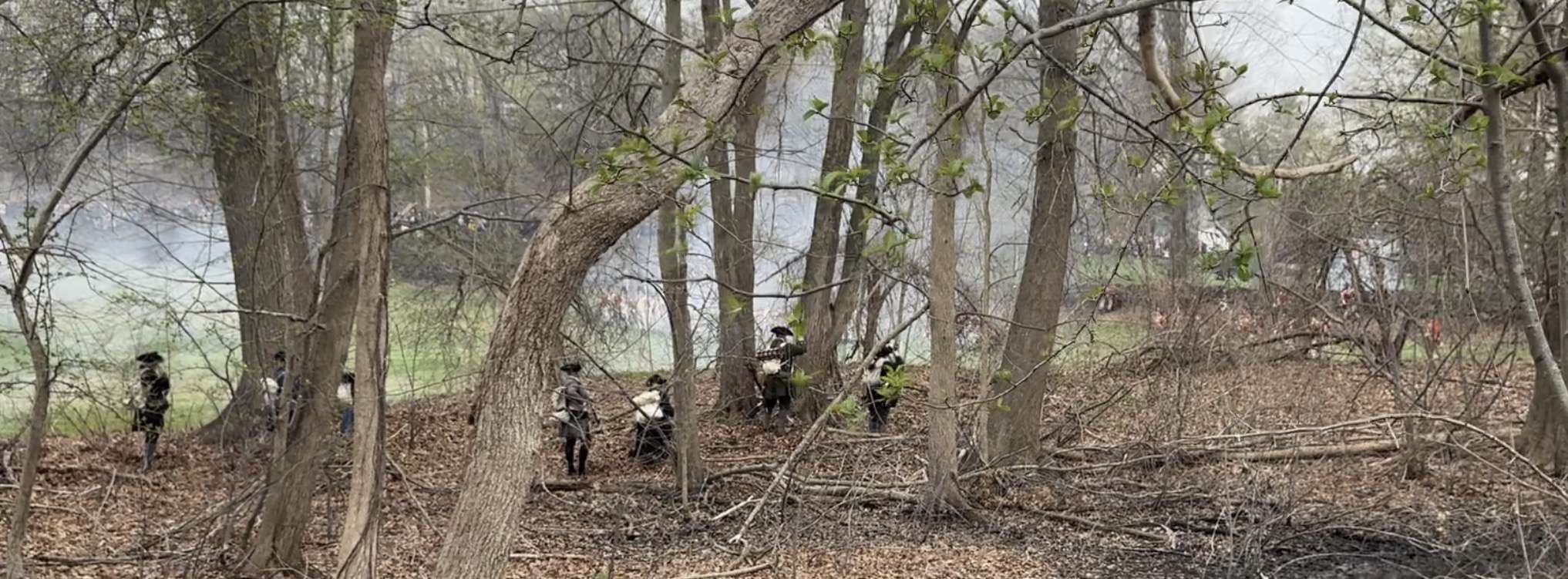
While cycling on 4/19, I came across a small segment of the annual re-enactment of the “first shot” and “the shot heard round the world” – the beginning of the American Revolutionary War. I took some photos. This photo shows a small segment of the re-enactment in Lexington as the British are in retreat, marching back to Boston from Lexington and before the biggest battle of the day in Arlington, MA (The Battle of Menotomy). In the photo, one can see the smoke of the fired guns and the British in their red uniforms marching down the field, while the civilian militia (mostly farmers) were shooting at the British from the woods.
I spent the two days researching the events oh 4/19/1775 and creating my blog posting: Patriots’ Day, April 19, 1775: The Battle of Lexington, Concord, and Menotomy (Arlington) MA, which details the entire event from 4/19 5 AM (when the British left Boston) to 4/19 7 PM (when they returned to Boston,) marching about 40-50 mile while being shot at on their return leg. I hope it will inspire you to participate in the defense of our democracy.
On Monday, 4/20/2026 I attended the annual Patriots’ Day – No Kings protest on the Bill Russell Bridge. During this event, “Paul Revere” rides his horse from Boston to Charlestown. On Patriots’ Day 2025, on the Bill Russell Bridge, I obtained a photo of Paul Revere riding his horse past my anti-fascism banner, on his way from Boston to Charlestown…

I continue to try to generate enthusiasm for pro-democracy activities on social media, with little effect. Sometimes the graphics I create generate some interest, but not much.
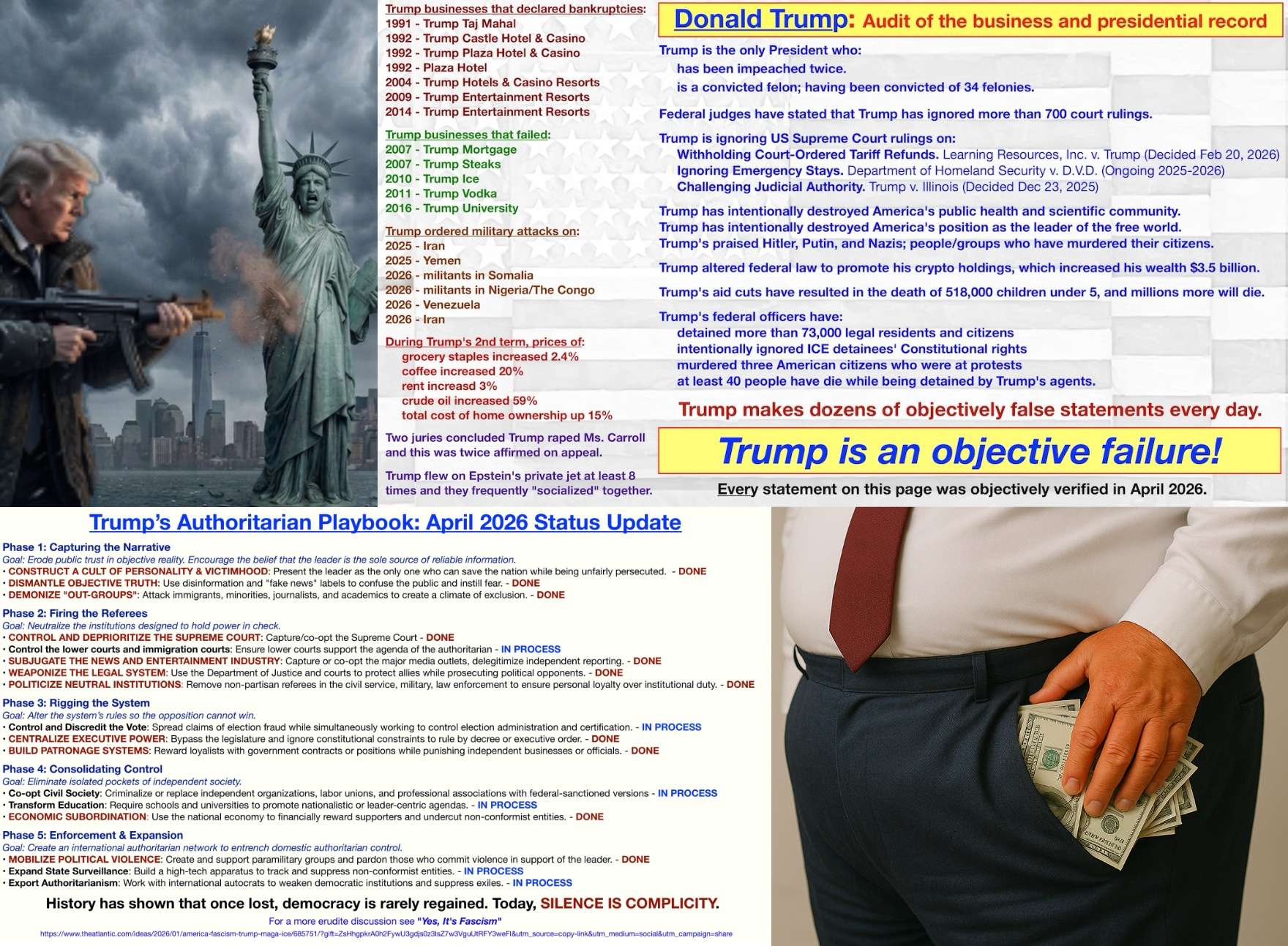
Several people have told me that my graphics have too much information, maybe that’s true, but I believe that the conveyance of an idea sometimes requires more than a soundbite. I do not know how to reconcile these competing imperatives: How to get people to spend the time to understand an idea that cannot be conveyed in a short, catchy phrase.
Socializing
I have had two of my MIT Club of Boston cycling groups since my last entry, and the attendance was good, 5 and 6 cyclists. Unfortunately, none of these cycling groups have yet to stop at Kickstand Cafe on our return leg for conversation, as most of the riders peel-off to return home before we reach the cafe. Hmmm?
This weekend I’m visiting a friend, L, who I have known since we were 16. He and his wife (K) have a house in the Berkshires and in Tribeca (New York City.) K is still working so she is in the city. We spent a lot of time “just” talking – which is the most important social interaction, we did a wonderful 20–25 mile cycle in the farmlands of the Berkshires, we’ve gone on multiple short hikes 2–4 miles, and we’ve eaten extraordinarily well. I also did a controlled experiment that demonstrated the dishes put in the dishwasher come out equally clean whether they are rinsed before placing them in the dishwasher, or not.
Tonight we saw Adam Gopnik perform at the Mahaiwe Center in Great Barrington, MA. The presentation was, at times, humorous but it didn’t have the emotional resonance that I look for in a theatrical a performance.
Reading/Intellectual
Some years ago, I listen to the audiobook “Project Hail Mary” by Andy Weir. As I remember enjoying it, I was looking forward to seeing the recently released movie. Unfortunately, the movie was only OK, but it wasn’t great. I then decided to again listen to the audiobook and this second listening showed me that the audiobook is so much better than the movie. So, for those of you who are looking for a science fiction book, consider Project Hail Mary.
I attended a lecture an MIT Club of Boston sponsored lecture “The Architecture of the Mind” by Professor Nancy Kanwisher. This talk discussed how she used fMRI to located regions of the brain that were responsible for specifc tasks. For example, there is one areas of the brain that i responsible for facial recognition, another is dedicated to music interpretation, there’s even a section of the brain which becomes active when somebody is trying to decide what another person is thinking. These function-specific areas of the brain are in the same location in all humans. This is not that surprising as it has been long known that certain areas of the brain are responsible for specific motor function and sensation. I wish the talk had included information about how the brain works, and not just the anatomic location of these function-specific sites.
Grandkids
The 3 grandkids, J, N and B are doing great.
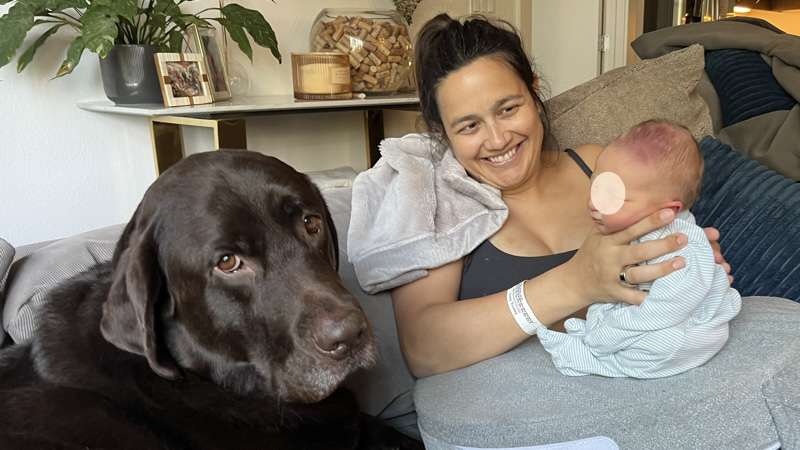
Photo caption: Tiger has just been told that henceforth he is a dog and B is now the most important member of the family.
April 6–15, 2026
Home Construction
The construction on our home started in earnest this week. A lumberyard’s worth of wood was dropped off in our driveway and manually reassembled in the backyard over the next eight hours. Over the last nine days, rough carpentry on the back of the house has moved forward expeditiously.
One of the features that I’m looking forward to is the 2nd floor sunroom, which is located behind our bedroom. It will be glassed-in on three sides using triple-pane glass, and I am told that it will be insulated sufficiently for occupancy during all four seasons. This will be an office used by both of us. During the six months of the year when the trees are in leaf, it will feel like we’re sitting in a canopy of trees, which should be delightful. I’m not sure if I’m going to move my desk from the front bedroom into this office, as both Gail and I have made a claim to it, although I think Gail made a claim to the back room on the third floor as her primary office – which should leave the sunroom as my domain. This is all TBD.

Pro-Democracy Efforts
My new pro-democracy banner measures 8 feet long, versus the prior banner that was 20 feet long, and can be managed by one person – when it is attached to an 8-foot-long horizontal pole, or two people – when it’s attached to two vertical poles, making it mobile. See prior posting below for a photo of the banner.
I felt that the backside of the 8-foot banner needed an image as well and spent a day designing it. I then spent two days, and three rolls of duct tape, cutting and taping together the image on the backside of the banner. It looks good, but it took me three days to make the backside of the banner. For about $150, I could’ve had it done professionally and used my time for other endeavors. Regardless, I’m happy with the way it turned out.
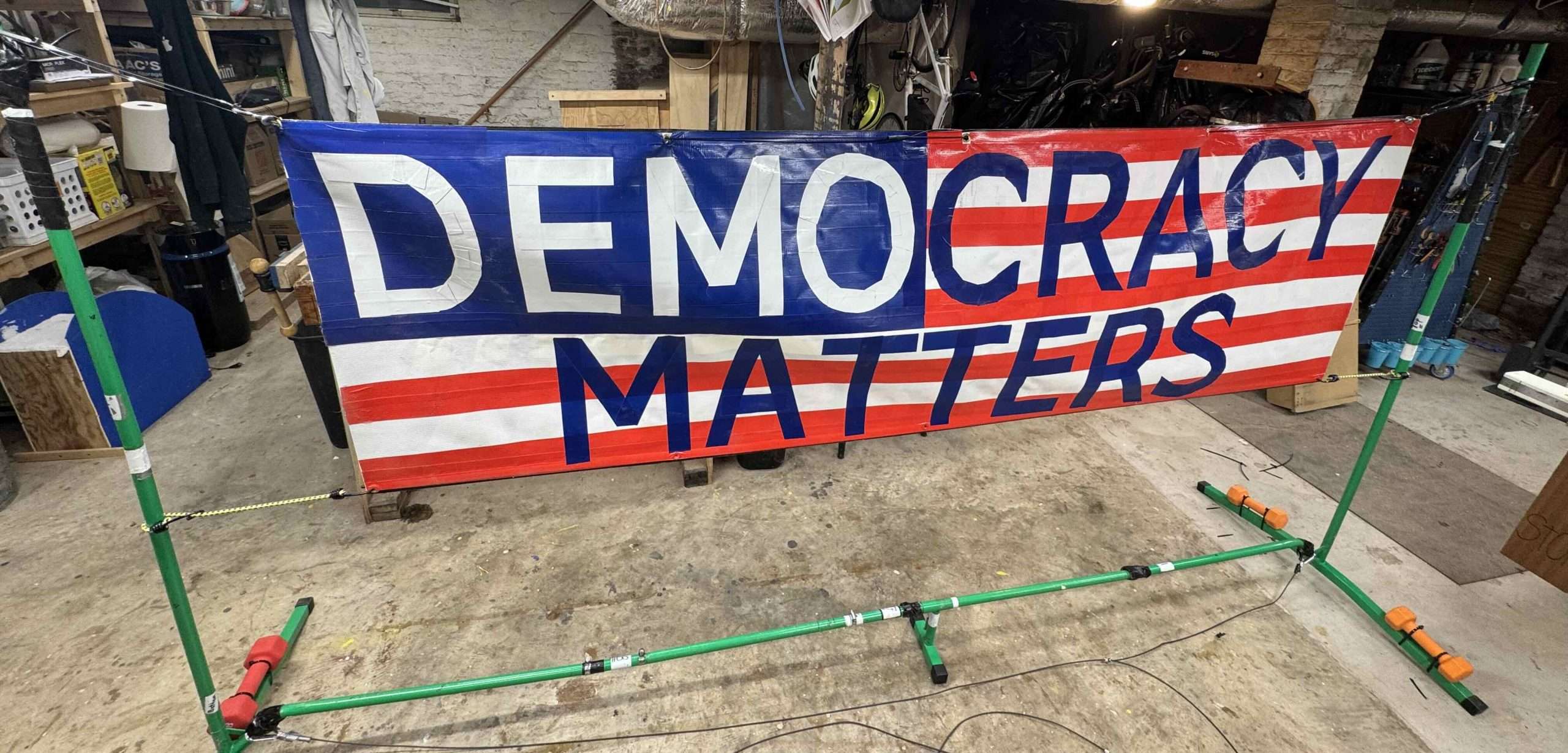
It will first be displayed—both sides—at the Patriot’s Day “No Kings” rally next Monday on the Bill Russell Bridge (Boston to Charlestown) and “Paul Revere” will ride by on his horse, as he did last year on his way to Lexington and Concord. It was at that event that I got the photo I had hoped to acquire.
This year I hope to get another photo with the new banner.
Bachelor Life
As I said in my prior posting, Gail remained in California when I returned to Boston on April 5. When I’m living alone, I keep no fresh food in the house (except Cosmic Crisp apples, Sumo oranges and a bag or two of frozen fruit) and I live of whatever is in the cabinets. But there is always plenty to eat. I did make a bean and turkey meal (dried beans, turkey, and multiple spices put in a pressure cooker). I’ve been eating it now for several days and can’t say that it’s any good, but it is filling.
One evening, I went to the bar to listen to music by The Wolff Sisters, whom I’ve never heard before. Three sisters, each had a very distinct singing style: one sang in a blues and R&B motif (acoustic guitar), one had a country vibe (electric guitar), and the third sounded like a torch singer (piano.) There was also a drummer and another guitar player. They were good and it was an entertaining 1.5 hours; and a nice diversion from everything else in our fucked-up Trump world.
Reconnecting
I went to middle school and high school with JF, and then lost touch with her when we graduated in 1973. She saw my Elly the Elephant sculpture on the Somerville Community Path and reached out to me. It’s interesting how much I was looking forward to getting together with her, someone I had not seen since 1973, and who I was not close to in school, nor did I socialized with her outside of school. My high school class was about 750, so I think everybody knew everyone’s name – as we came from two feeder middle schools. From my perspective, JF had a lot of friends, whereas I felt I was pretty much a loner in middle and high school, and didn’t have many (any) close friends, except for Abby, who was my girlfriend in 11th and 12th grade.
I had fun talking to JF, who seems to know the status of many people from our high school. I am concerned that I was a bit too eager in our conversation, talking about what I have done over the last 6 decades, and did not listen enough. Sorry JF, I will try to do better next time.
One of the people I socialize with outside of secondary school was MB. His family moved to Australia in about 1972, when his older brother got a low draft number during the Vietnam war. I had not been in touch with MB since. Sometime between 1974 and 1977 he showed up at my parent’s house on Long Island, when I was at Cornell. I always wondered what happened to MB. JF told me she was in contact with MB via Facebook, and that he had a successful career as a musician in Australia. I reached out to him via fb and we will soon exchange more detailed information, which I’m very much looking forward to. He told me to listen to The Eddys on Spotify – he wrote most of the songs, and The Ratbags of Rhythm on Facebook. I listened to the Eddys a they sound like a cross between swing and rock music, definitely dancing music. Unfortunately, I never learned how to dance (or socialize) – which I partly attribute to my parents who didn’t allow me to attend the first social, non-school event at somebody’s house during middle school years. I believe my father told me I was “too young.” Subsequently, I wasn’t invited to any of the follow up social events and I think it is for that reason I never learned how to dance or socialize. Or maybe I was just defective.
I find it very curious how I was so interested in learning what happened to people I knew 50 or 60 years ago, versus a new person I am meeting for the first time now. Because of my Designing Your Retirement lecture series, occasionally people will reach out to me and want to get together to chat. Of course I always meet with them, as I try to force myself to “just say yes” to every new opportunity. And while I look forward to these encounters, they clearly do not contain the gravitas of meeting with a former secondary school colleague like JF. Clearly, this childhood connection is strong—at least in me—and while it may not be rational, it is definitely real.
Socializing
In terms of other socializing, I recently had one of my Wednesday retiree brunch groups. Although there were only four in attendance, the conversation was stimulating and everyone seemed to enjoy themselves.
I also had the first MITCOB Thursday Cycling Group ride of the 2026 season. Three cyclist who rode frequently with me last season, joined me for the inaugural seasonly event even though I rescheduled the event from our usually start time of 10 AM at 1 PM, when it was warmer. They told me they wanted to be there for the first ride of the season. That made me feel good!
Today I had my all-male monthly retiree brunch group (REMBrunch). We had a lively conversation among the six of us; the origin of a word, financial support for a smiling little boy in Uganda vs only donating to pro-democracy organizations, personal inaction as a result of inertia and a work-around, an essay I think I should write, but it ultimately turned to politics. I think it’s unlikely that my political arguments changed anybody’s mind, regarding the incompatibility of billionaires and democracy, Tax Billionaires’ Wealth – Free the 95%), but I find having these conversations is important as the criticism help me better understand the weaknesses of my own arguments, making them stronger in the future.
My Essay; The Corporate Death Penalty
I previously mentioned that I had given up on getting my essay, “The Corporate Death Penalty: Personhood Must Carry a Capital Consequence,” published in a traditional media outlet. and thus posted it on my blog and pushed it on social media – with minimal success.
As I believe the essay discusses a novel and important idea, as I have done in the past with a few of my essays, I emailed this essay to three academic constitutional scholars. Usually, when I do this, I get no response. But in this case, I received a reply from a very well-known law professor at a very prominent law school who said, “Thanks for sending this very interesting idea.” I will take that as an affirmation that the idea was both novel and had potential value to the legal community. Maybe he/she will share it with the wider academic legal community.
I know most of my writings will never be read and/or ignored but all, but I firmly believe that if we don’t all try to come up with ways to make this world a better place, it definitely will not get better.
The Newest Family Member
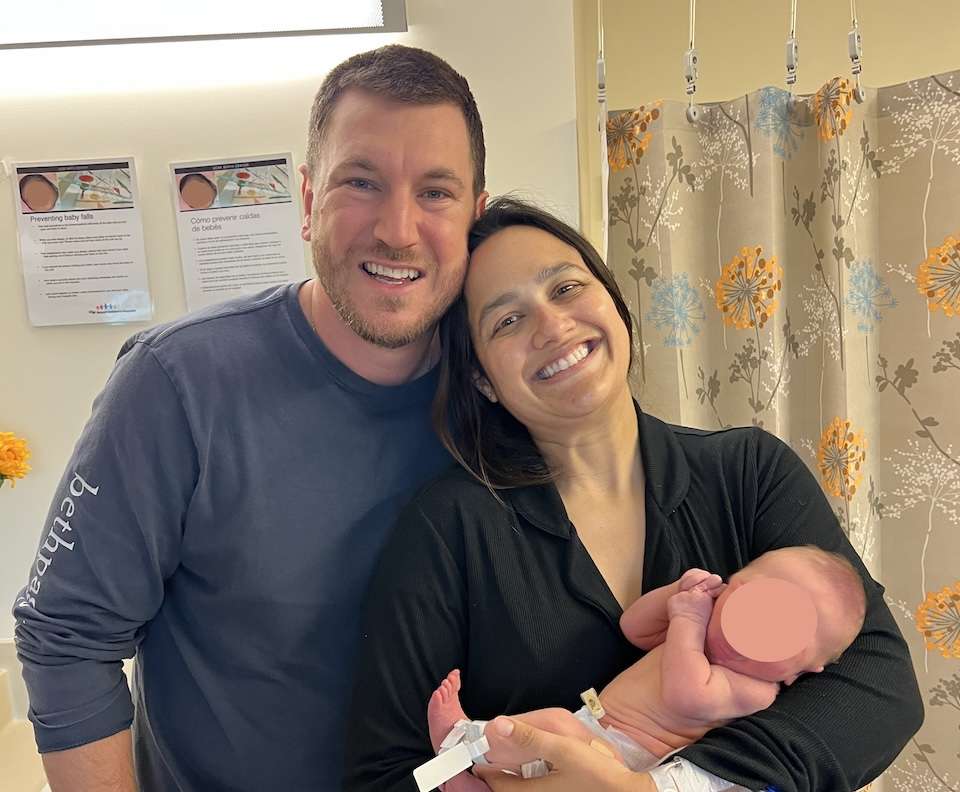
Finally, and most importantly to my family, Sierra and Chris gave birth to our third grandchild and first grandson, whom I will henceforth refer to as B. I avoid posting pictures of the faces of children because the internet can be a cesspool, so here is a photo the proud parents.
April 1-5, 2026
I posted the below to two facebook retirement groups. I thought it was a good idea and would be well-received, but the lack of replies suggest it didn’t resonant with others:
Most adolescents and young adults only think of their grandparents as “old.” They rarely entertain the thought that their grandparents were once young, vibrant, and lived a life of adventure. I fell into that trap. I only thought of my grandmother, Tessie as old – until she looked at me in the mid-1970s and said: “Your generation thinks they discovered sex, but it is all old news.”
Not long after, I found a photo of Tessie as a young woman dressed up for a night out during the “Roaring Twenties,” and reality came to the fore: Tessie was once young, vibrant, and had stories to tell.
My grandkids are less than three years-old, much too young to appreciate any of the stories from my youth. And by the time they are ready to hear those stories, I will likely be dead, or too infirmed, to convey those stories to them.
For many years I have kept a blog, fortunately some of the postings are personal, e.g. “My Engagement Story: “I will call you back.” And since 2023, I have kept an online “My Retirement Diary.” Hopefully, this public journal, a personal time capsule will one day find its way onto my grandkids reading list. My only regret is that I will not be able to watch their facial expression change when they suddenly realize their granddad was once young, vibrant, and interesting.
I would like to suggest that grandparents of today share a photo or a story of their youthful adventures with their grandkids before it is too late. I am certain it will be much appreciated and strengthen your bonds with your grandkids.
Let me know what happens.
As I mention in my previous posting, Gail’s sister S’s husband died in an avalanche while heli-skiing in Alaska. Although Gail and I both thought the sport was incredible dangerous, that is apparently not true. The risk of death while driving is 2-3 times higher than the risk of being killed in a snow avalanche from helicopter-skiing.
There was going to be a gathering at S’s home in Marin County to celebrate Eric’s life. Sierra convinced me it was important that I attend so on April 2nd, I joined Gail and flew to CA. I had to cancelled my ReeBrunch group which would have met on April 1 and the first cycling group ride on April 2 of the MITCOB Thursday Cycling group in order to accommodate our traveling plans.
The weather in SF area was delightfully warmed than Boston. Gail and I stayed at Sierra’s and Chris’ apartment on Russian Hill in SF, a very dynamic community and only a short 20 minute walk to the beach!
There were about 50-60 people at the celebration of Eric’s life in S’s home, including 7 of the 9 Whoriskey clan siblings. I am glad Sierra convinced me I should attend.
I am flying back to Boston today, but Gail will remain in CA to help Calder with his two kids when Gaby is away later this week. Sierra’s due date is on 4/19 but she may be induced early – will know more tomorrow. I will return to CA after the baby is born, remain for 1-2 days, and then both Gail and I will go home to Boston.
I gave the truck I made to my 2.5 year-old granddaughter, and she clearly enjoyed playing with it. I full expect it will eventually get damaged when it is dropped, but that will be OK.

Emotionally this trip has been very much of a rollercoaster, between the lows of Eric’s death, the high’s of time spent with our 2 granddaughters (4 months and 2.5 years old,) and the impending arrival of a new grandson.
Of course, there is no place like home, even in the midst of renovations – so I am glad to be returning home.
Hopefully, I will see some real progress on our home renovations this week; fingers crossed!
March 27-March 31, 2026
Gail and I went to New York City for a long weekend. The primary precipitant for this travel adventure was Gail’s desire to attend The Metropolitan Opera’s production of Tristan and Isolde. I did not want to sit through a 4.5-hour opera, but I thought I’d go NYC with her and attend the No Kings rally in Manhattan. I also wanted to obtain a photograph of my new, smaller banner in front of Trump Tower (5th Avenue) and the Statue of Liberty.
Rather than taking the train to NYC, flying, or driving the entire way, we thought we’d try something different. We drove to Stamford, Connecticut, parked the car in the South State Street Garage and then took a train to Grand Central Station. This made the trip significantly less stressful as I did not have to drive through Manhattan and it probably saved us a few bucks as the parking was about $10/day vs $30-85/day in Manhattan.
We stayed in an Airbnb/resident facility managed by Hilton, ideally located for our purposes at 48th and Madison. After we arrived, we wandered around the city, starting at the hotel and heading north and then west.
This is a photo of The Louis Vuitton building, wrapped in a facade while the building is being renovated. Very cool.
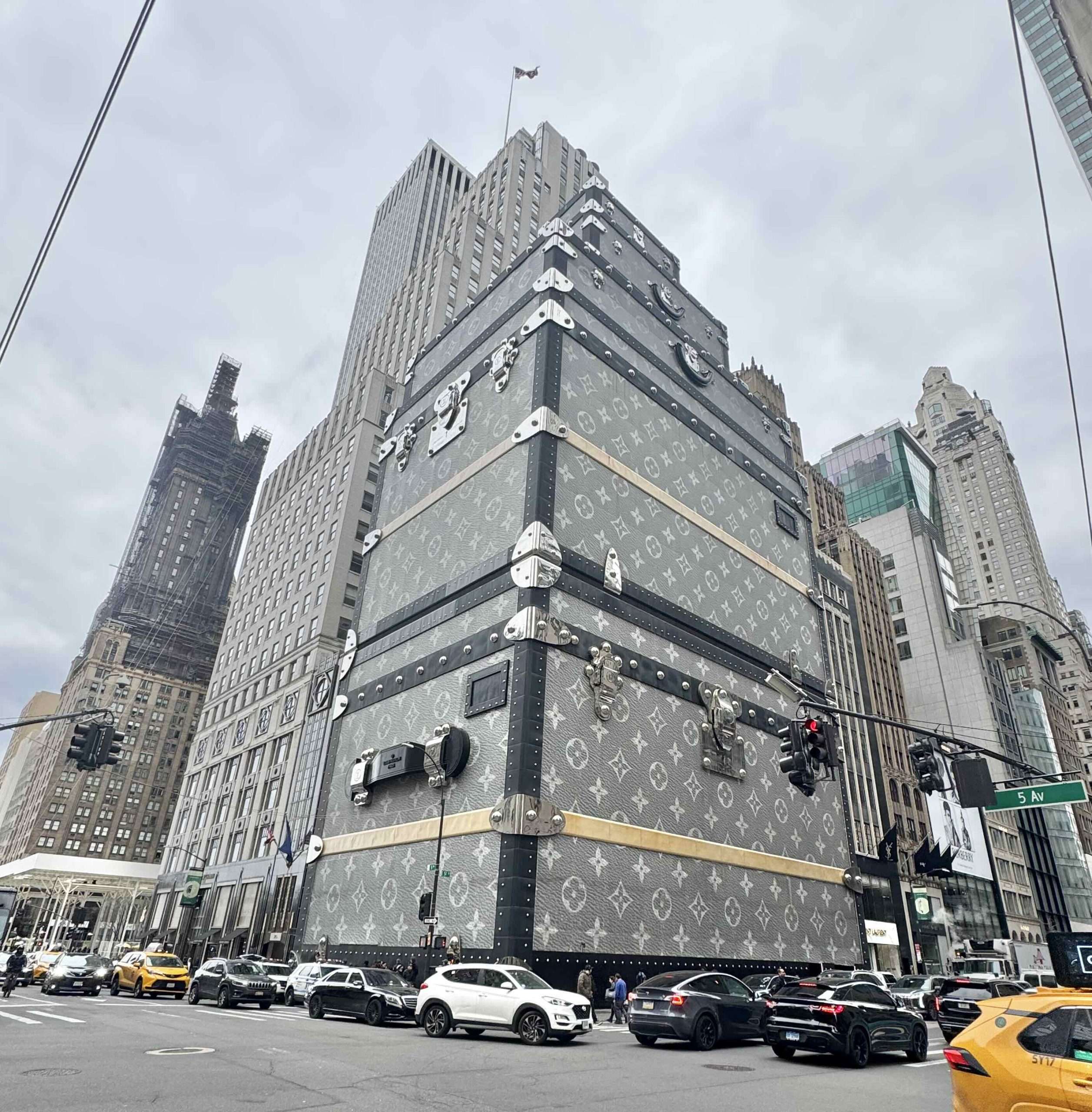
Photo at Trump Tower
At about 6 PM, Gail and I went back to Trump Tower to get one of “the” photos I had envisaged. I have to admit it was a bit stressful, as I worried the police would arrive, tell me that I cannot display a banner in front of Trump Tower, and would then confiscate my banner. Gail was even more stressed. When we got to the site, I expeditiously unrolled the banner, attached the banner to the pole I use to support the banner. Ultimately we got the photo I wanted:

Fortunately, nobody hassled us.
Afterward, we walked around the city until it started to get dark, then headed to see the Times Square lights.
Frick Museum
On Saturday, we went to the Frick Museum with L & G. I have been friends with L since I was 16 years old. Henry Clay Frick (1849-1919) was the turn-of-the century equivalent of today’s billionaire; he was a multimillionaire by age 30 by “coking coal” and then made more money in steel. He collected art, mostly Renaissance art, but the collection ranges from 1300-1900. The Frick recently underwent a $220 million renovation. On his death, he bequeathed his home and the art collection to the public with a $15 million endowment (~$250 million in 2026 dollars). Gail really enjoyed the collection, but Renaissance art does not inspire or entertain me. I prefer more modern art, from the mid-late Picasso period (“Modernism”) and more recent.
After the museum visit, the four of us had lunch at the Frick and then walked through Central Park to 7th Avenue and Central Park South where the No Kings rally was assembling. We got there at about 1:30 PM and I decided to set up my new, smaller banner at that intersection and to remain stationary as the crowd flowed by on their way to Times Square.

At 3:30 PM, after the last of the crowd passed, I disassembled the banner, K and L headed home, and Gail and I followed the tail-end of the crowd on their march into Times Square.
Eric
We ended up in a gelato ice cream store just outside Times Square. At that point, Gail received a text message that Eric, the spouse of her sister S, was killed in an avalanche while skiing in Alaska on the prior day. Needless to say, we were both in shock and really did not know how to process this. We made our way back to the hotel room, uncertain what we should do.
Over the years, I have really enjoyed talking with Eric, maybe because he was the only Jew among Gail’s siblings’ spouses, but I don’t think that was the primary reason. Eric was intellectually curious, with an extraordinarily high EQ; everybody who met Eric immediately liked him. Calder had bonded with Eric, and Eric’s death hit him hard. In the past, Eric had invited Calder (and my son-in-law Chris) to play golf at his golf club on more than one occasion. Calder sent me a photo of one of those golf outings when both he and Eric arrived and were unexpectedly wearing similar blue shirts and pink shorts.
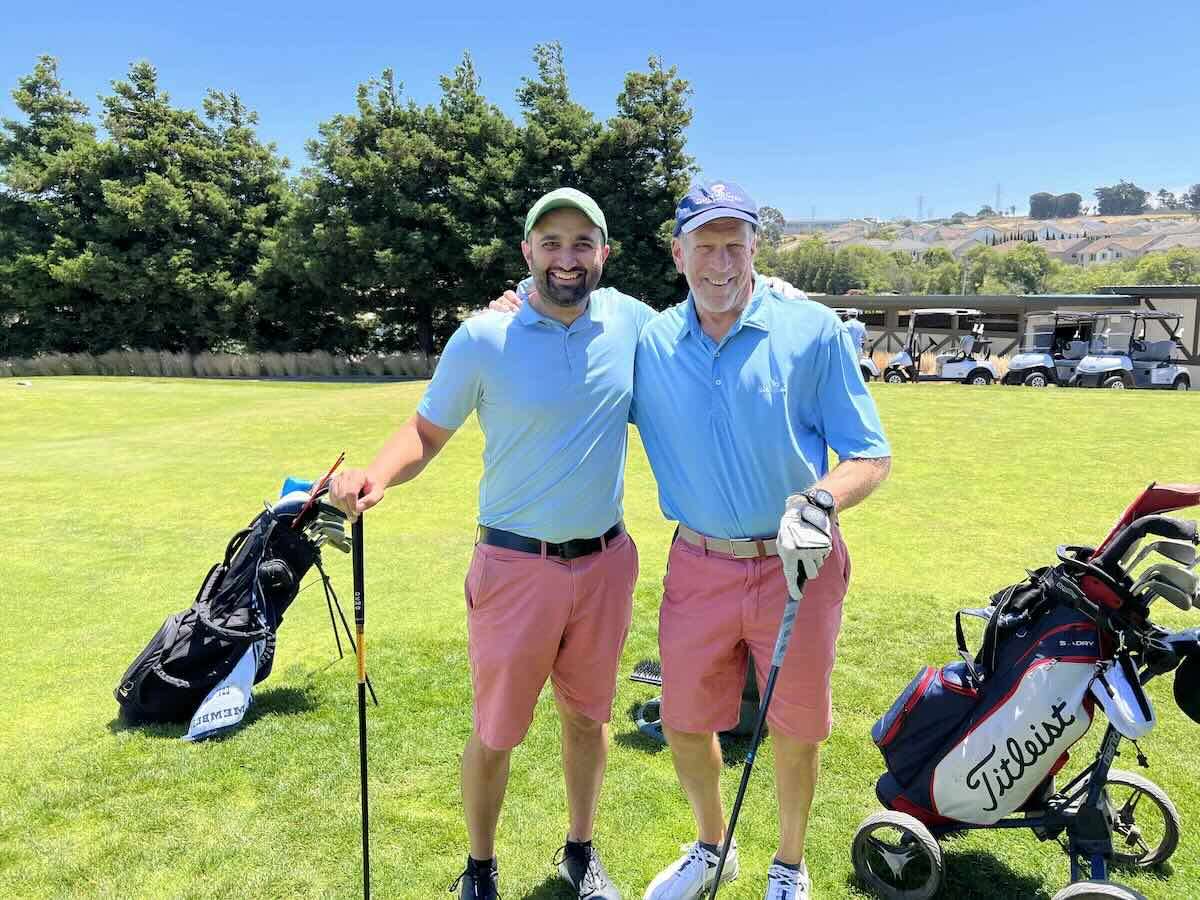
I never fully understood the scope of Eric’s professional career as an attorney, I think he mostly did environmental class action law and he was good at it; and that is good for society. He and S have a home near SF home (his office was in SF) and a summer lakeside home in Chautauqua, NY, adjacent to The Chautauqua Institute. Once he and S hosted Gail and me at their Chautauqua, NY residence for a week during the summer so we could attend lectures at Chautauqua Institute. It was during that week that I got to know Eric and S – away from the large clan gatherings, where the crowd swells to 30-50, and prolonged, intimate conversations with one person are difficult or impossible to have. I also stayed at their Chautauqua home one night when I drove cross-country in my Tesla. In a random conversation that evening, Eric mentioned something about the 12-volt battery in my Tesla. I was unaware that there was a regular car battery in the Tesla. This knowledge turned out to be important the next day when I got an error message in the car that was probably trying to tell me the 12-volt battery was failing. You can read about that event here.
On occasion, Eric emailed me his comments about my essays and I always looked forward to reading them. I sometimes sought his opinion about my essays that had a legal bent. He seemed to excel at everything that interested him and I wish I had more opportunities to get to know him better. I suspect that if he lived in the Boston area, we would’ve gotten together frequently.
The evening we received the news about Eric, Gail and I joined L and K in their apartment located in The Village. When we arrived, their son, J, who we have met many times, was on his way out. We briefly chatted with J and then had a quiet dinner with just L and K, during which we talked about Eric, J, our lives, and theirs.
At the end of the day I realized that I had not thought about our home renovation problems all day – and it felt good. And Eric’s death certainly put all that into perspective; it also made me realize how we get so wrapped up in our trivial day-to-day problems, and that makes us oblivious to what really matters in life.
The Statue of Liberty photo
One of my goals for this trip was to get a picture with my banner in the foreground and the Statue of Liberty in the background. Saturday 8 AM presented that opportunity.
I knew Gail did not want to be involved in this adventure, as the prior banner photo was quite stressful. I took the MTA subway to the southern tip of Manhattan, (Battery Park) walked the three blocks to the ferry terminal and hopped the ferry across to Governors Island.
It was a beautiful sunny day, blue sky, and the water in the harbor was calm. As the ferry moved south to Governors Island, I looked north, where the panorama of New Jersey, the Hudson River, Manhattan, the East River, and Brooklyn spread out before me, it was a delightful sight. The ferry ride lasted only 15 minutes.
I then began to walk counter clockwise around the perimeter of the island, heading for the island’s southern tip, the location nearest the Statue of Liberty, which was situated to the west. As I walked to the photo shoot, the only sounds I heard were the birds on the island and the water lapping gently against the small rocks that surrounded the island. The sounds were soothing, the sky blue, the sun blazing, and there was a light breeze. I should have been completely relaxed but… Although I assumed the photo shoot was on public property, it was never far from my mind that some authority figure would tell me I couldn’t display my banner. So despite the calm of the venue, my mind was racing, and planning – I need to deploy the banner as rapidly as possible, get the photo, and get out of there.
I expeditiously set up the banner, got an initial series of photos, and as I was adjusting the banner to get more photos, a person pulled up in a golf cart size vehicle, a woman got out and asked: “Are you taking the banner down?” I told her I was, even though it was my intention to get a few more photographs, and then take it down. When she saw me taking more photographs, she said “I thought you said you were taking the banner down.” I asked: “Is it illegal to have the banner displayed here?” When she didn’t answer me, I assumed she couldn’t hear me and I started to walk over to ask her, at which point she got into her vehicle, closed the door, and got on the phone. I shot two or three more photos, see below, rolled up the banner and left before anybody arrived. And I began to retraced my steps back to the hotel.
Having successfully captured the photographs I desired, I felt I had accomplished everything that I wanted to on this trip.

One of the things that I have learned in my adventures in photography is that some photographs happen as a result of serendipity, being at the right place at the right time. But some photographs require planning. While my photograph of my banner in front of the Washington Monument is an example of serendipity,

the photographs of the banner in front of Trump Tower and Statue of Liberty were clearly planned.
At 1 PM Gail and I headed over to the Metropolitan Opera as she was going to see a 2 PM performance of Tristan and Isolde. I briefly visited the Museum of Arts and Design in Columbus Circle, went back to the hotel room. At 7 PM I returned to Lincoln Center to pick up Gail. Fortunately she, L and K loved the opera. It was emotionally resonant and the staging by Es Devlin was spectacular.
Photo
On Monday morning, Gail and I left Manhattan by train, ultimately were able to find our car in the garage and headed to PetSmart in Cambridge, picked up the dogs, and arrived home mid-afternoon.
The weekend in Manhattan was delightful, for both of us.
Home Renovations – Finally Some Good News
On Tuesday morning, we had a meeting with the architect and general contractor. Clearly both Gail and I were losing a lot of sleep over this home renovation, as our house had been deconstructed and there was no mutually agreeable plan about how to move forward. At the meeting, there was a bit of venting by us, and explaining by them. As I’ve said before, I’ve always felt that they were honest, and it became eminently clear in this meeting that our disagreement was a result of an honest difference in our understanding of the utility of the original “bid plan,” the architect’s plan (not the structural engineering plan) that was used to by the GC to bid on this project. Once the source of this misunderstanding was clear, and there was an agreement about some information that I wanted to receive in writing, I said “OK, let’s make this happen, can you start work tomorrow?”
And today, the work has resumed!
Finally, I have given up trying to get my essay Corporate Death Penalty published, it will go live on 4/5/2026
March 26, 2026
I finally finished my submission to the Danforth Art Museum and School. While the submissions are a long-shot, if I don’t submit, they definitely won’t be accepted.
As I continue to strike-out, it is time to submit my essay “The Corporate Death Penalty: Personhood Must Carry a Capital Consequence” to some more venues. Maybe this will be my last attempt to publish it in a real media outlet. If that turns out to be the case then I’ll post it on IHaveAnIdea.us and try to get some readership via BlueSky and social media.
Home construction remains a major source of anxiety for both of us. We built our large Andover home from scratch and completed a gut renovation on our current home in 2011; neither project resulted in the stress associated with this current renovation. It is still not clear how to proceed
Last night Gail and I saw Project Hail Mary in an IMAX theater. The movie was 3.5/5 but the audiobook was much better. Then dinner. We didn’t get into bed until 11:30 which is quite late for us old birds.
March 16–23, 2026
Creative Efforts
Gail and I spent a significant amount of time this week preparing submissions for a juried exhibit at the Danforth Art Museum and School in Framingham. While I know it is extraordinarily unlikely that either of us will be selected, it is a worthwhile exercise.
The rules allow for three pieces. I am submitting two traditional works: my serving platter (which was rejected from a show a year ago) and my Tensegrity side table. I have also decided to submit a “participation piece” titled Silence is Complicity. The centerpiece is my 20-foot banner; I’ve informed the jurors that the Danforth can mount it to a wall, hang it from the ceiling, or I can provide a stand to display both sides.
The installation includes a card table with a black tablecloth, a cup of black pens, and two “Witness Ledgers.” A placard will invite attendees to:
“Use this Witness Ledger to anonymously record how you will fulfill your civic responsibility to ensure future generations live in a free America. Tell the world why you won’t be silent.”
If accepted, I intend to photograph the ledger pages (omitting names) and archive them on my Silence is Complicity webpage. It is a long shot, and even if accepted, people may not participate, but I may find a use for this concept at another venue in the future.
Upcoming Weekend in NYC
This weekend, Gail and I are headed to New York City so she can attend Tristan und Isolde at the Metropolitan Opera. Despite the rave reviews, I don’t believe I can endure 4.5 hours of Wagner. I much prefer the theater, so while she is at the opera, I’m reasonably certain I can find a way to fill the time—perhaps by seeing two plays.
Political Efforts
While in Manhattan, I will attend the “No Kings 3.0” rally on March 28. I originally intended to bring my 20-foot banner and stand, but that will be logistically problematic in a crowded NYC rally. So I had an 8′ x 2.5′ banner made that Gail and I could carry at chest height (this has been beta-tested) as we march from Central Park to Times Square, or I can raise it on two poles, up to nine feet, if we remain stationary—assuming the police don’t confiscate my poles.
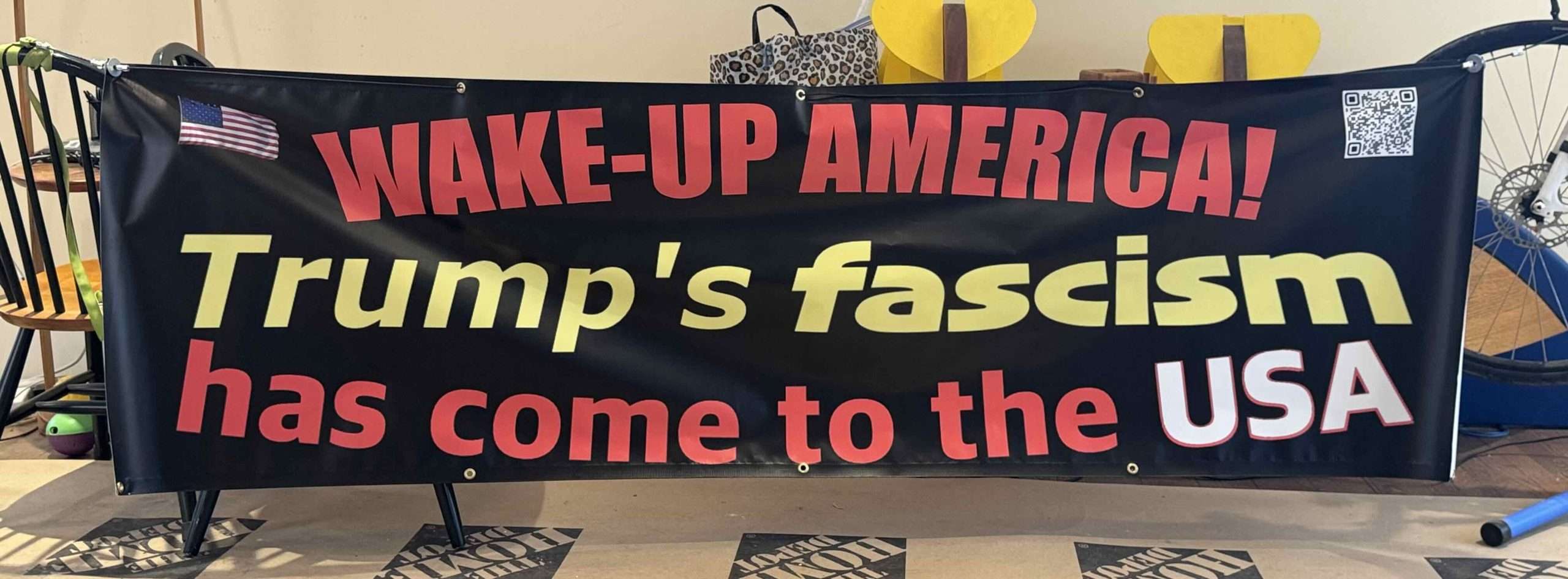
I still have no takers for my Corporate Death Penalty article. I made minor revisions and sent it back to the Boston Globe; I doubt they’ll accept it this time, but I remain persistent. Next Wednesday, I’ll circulate it to four or five more outlets. I still believe this concept belongs in the national dialogue, even if that dialogue feels increasingly out of reach.
Intellectual Activities
I have also begun a new book: the Aeneid (The Story of Aeneas). Written by Virgil between 29–19 BCE, it was commissioned by Augustus to provide a founding myth for the Roman Empire. It is a story of emigration and immigration where no one’s hands are entirely clean.
(Feel free to skip this:) To wrap my head around the confusing chronology between ancient literature and archaeology, I’ve had Gemini map the “canonical” myth Virgil with (known) reality:
- 1184 BCE (approx. 1200 BCE): The Fall of Troy. Aeneas flees the city as it is sacked by the Greeks. The Iliad is about the decade long war it took for the Greeks to sack Troy. The Odyssey begins with the destruction of Troy and follows Odysseus during his 10-year trek back home to Ithaca. The Aeneid (about Aeneas) also begins with the destruction.
- 1180–1170 BCE (Legendary): The Founding of Lavinium. After years of wandering, Aeneas arrives in Italy and builds the settlement Lavinium. He establishes the bloodline that will eventually found Rome.
- 1150 BCE (Legendary): Founding of Alba Longa. Aeneas’s son, Ascanius (Iulus), leaves Lavinium to found a second city, Alba Longa. This city serves as the “placeholder” for the 400-year gap (1150 BCE to 753 BCE).
- April 21, 753 BCE (Legendary): The Founding of Rome. After several centuries of kings ruling in Alba Longa, the twins Romulus and Remus are born. Romulus kills his brother and founds Rome on the Palatine Hill. Note: Archaeology does show activity around 1000 BCE, but the “753” date is the “canonical” myth Virgil was working with.
- The Monarchy (753–509 BCE): Rome was a small city-state ruled by Kings (starting with Romulus). The Romans eventually hated these kings and overthrew the last one, vowing never to be ruled by a “King” again.
- The Republic (509–27 BCE): For nearly 500 years, Rome was a Republic. It was ruled by the Senate and two elected Consuls. This is the era of great expansion, but it eventually collapsed into 100 years of civil wars.
- The Empire (27 BCE–476 CE): Augustus (originally named Octavian) emerged as the winner of those civil wars. He didn’t call himself a “King” because that was a dirty word in Rome, so he took the title Princeps (“First Citizen”) and Imperator. He became the First Emperor.
- 29 BCE: Augustus Commissions the Aeneid. Augustus (the first Emperor of Rome) asks Virgil to write an epic that connects his own family (the Julians) back to Aeneas and the gods.
- 19 BCE: Virgil Dies. The Aeneid is left slightly unfinished, but Augustus orders its publication anyway.
I am listening to a contemporary translation of Aeneid by Scott McGill and Susannah Wright, which mirrors the style of Emily Wilson’s recent translations of the Iliad and Odyssey (see My Retirement Diary, entry of 8/27/2024, written while driving cross-country).
Home Construction
Construction has now been paused for nearly two months. I have deferred discussing it because the situation is complicated and, frankly, anxiety-provoking. We had a meeting today with the builder and our architect, who has been the lead on this project for over a year.
To briefly summarize: the builder originally bid on a set of preliminary plans. We hired him because he was the most cost-effective option and came with stellar references from an architect friend. He was educated as an engineer, has been in business for four decades, and offered several insightful ideas for the project.
Although he bid on preliminary plans rather than final structural documents, this is apparently a common practice. However, the initial structural engineering plans proved prohibitively expensive. We have since gone through two redesign iterations where the structural engineer consulted with the builder to lower costs.
Because the steel beams installed in the first-floor ceiling during our 2011 renovation were deemed “undersized,” and because our desire for vaulted ceilings in the third-floor rooms precludes the use of a standard truss system, the roof load must be shifted entirely to the exterior walls. However, the structural engineer determined that these walls provide insufficient support for that redirected weight and must be significantly strengthened. [I think I’ve got that right.]
With the 3rd set of structural plans, the price is ~ 25% above the bid price.
Clearly, there is a fundamental disagreement between the builder and the structural engineer. I believe it comes down to a difference in standards: the builder is aiming to meet the legal building code, while the structural engineer is adhering to a higher personal standard of over-engineering. I believe both people are honest, but they hold conflicting opinions on the appropriate way to design the structure.
To reduce costs, we have discussed eliminating the vaulted ceiling but this will severely degrade the utility of the rooms and the estimated savings is probably not worth it.
I’ve considered having the builder create a design to be vetted by a different structural engineer, or perhaps abandoning the project entirely.
I have also entertained trying to restore the house to its original state or abandoning most of the project, abandoning most of the project and create a more limited redesign by foregoing the addition of rooms to the 3rd floor (which was the precipitating reason for the project.)
Unfortunately, we have passed the point of no return: two substantial foundations are already in place in the back, our deck has been removed, and the internal structure holding up our roof has been removed.
Gail and I need a few days to think. I hope we can reach a decision within the next 48 hours.
Enough of construction talk.
Socializing
Gail and I had a delightful dinner at Olivia’s Kitchen with M & E. The restaurant was excellent, and the conversation was even better. They are always fun to talk to.
On a more personal note, this is a very lovely video of Gail having a FaceTime conversation with Calder and his 2nd daughter, our 4-month-old Grandbaby N. This sort of interaction between Gail and her grandkids is not atypical, and I’m glad I got it recorded for posterity’s sake.
I have continued to set up our Spring Somerville Neighbor Potluck dinner, which I schedule every October and April. Although we only have nine confirmed attendees at this point, it is highly likely we will end up with 15–25 people. This event helps create a “community.”
On a professional note, while on a walk around Fresh Pond in Cambridge, I ran into an endocrinologist who was a world-class thyroid expert during my fellowship at MGH 35 years ago. I sent him a note afterward that in part said “I know I was not one of your finest fellows, (nevertheless) the education I received benefitted my patients and the greater Lowell community immensely. For that, I thank you.”
He sent a gracious reply, essentially confirming, by omission, that I was not one of the finest fellows but going on to say “I was always thrilled to see your post-fellowship progress. Many fellows peak during the fellowship years and seem to coast after that. You always continued to grow which was unique”
Enough for today.
March 2–16, 2026
As the Seasons Turn
I have always enjoyed all four seasons; it is a primary reason I stay in New England. I find it difficult to understand why anyone would choose an environment lacking a multicolored fall or a real winter.
However, by March, most Bostonians are ready for spring—some much earlier than others. I still find magic in a massive snowstorm, the kind that blankets everything in white crystals and silences the noise of civilization. Of course the beauty doesn’t last very long, but when it happens, it is magic.
New England is remarkably efficient at clearing snow from the streets. Main roads are clean as soon as a storm breaks, and side streets are usually passable within a day. Even the 14-mile community path stretching from Boston to Bedford is plowed in real-time, allowing for a delightful walk, even while the wind is blowing and the snow is falling.
Spring is in the air. The snow has melted, temperatures are occasionally breaching 60, and daylight extends into the early evening. Consequently, I have resumed cycling the Minuteman Bikeway—a 24-mile round trip from Somerville to Bedford. I took this photo a few days ago, before the last of the snow melted away. It feels so good to get back on my bike!
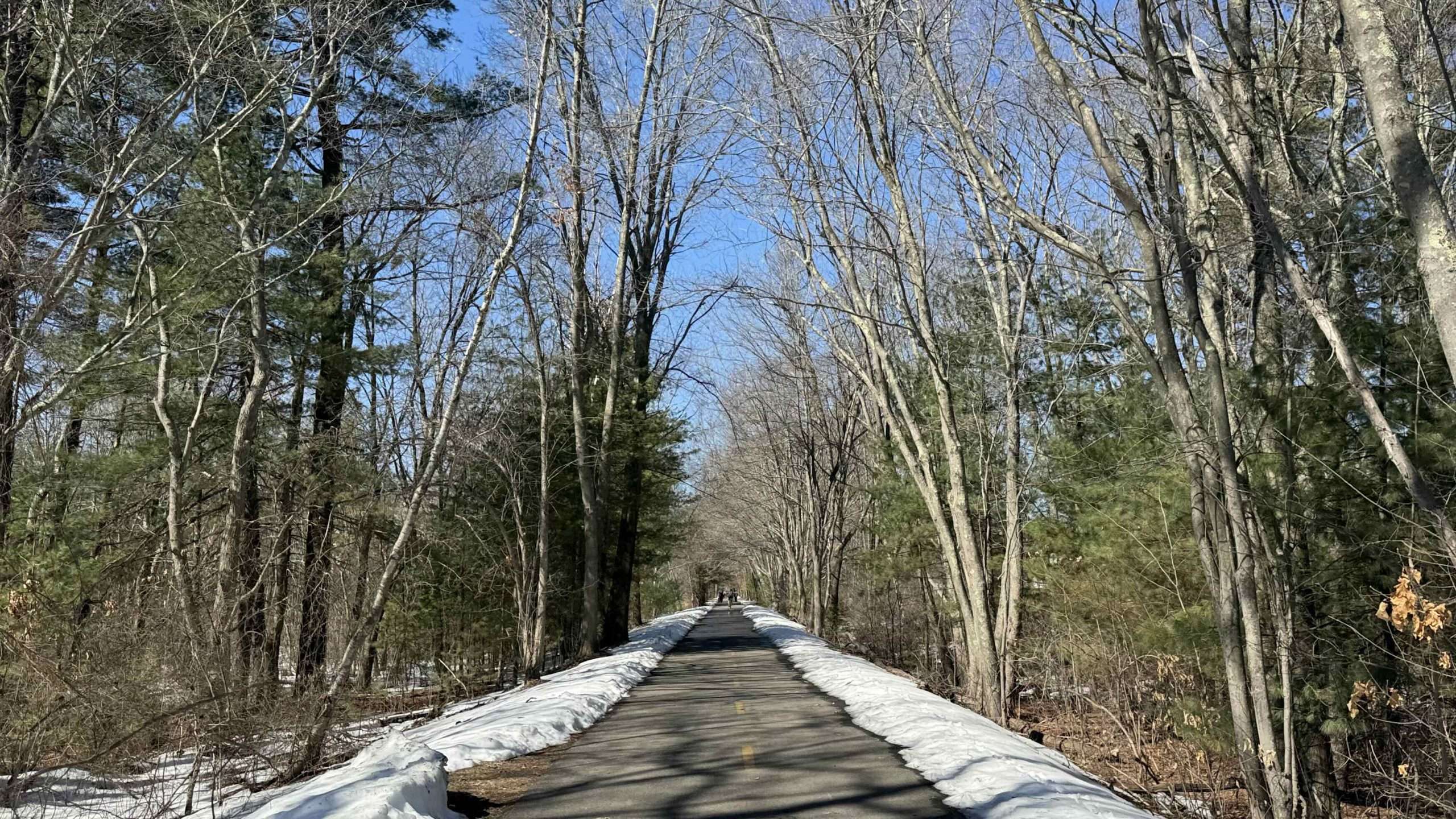
Social
Two of my retiree brunch groups met in the last two weeks (n=6 and n=4), and my men’s group meets later this week. These groups are coalescing nicely; members are socializing outside of our monthly meetings. When attendance is low (n=4) I have considered adding a new member, but I am concerned that if we ever have all eight people in attendance, it would be impossible for people at opposite ends to hear one another.
Travel
Gail and I drove to Philadelphia because she wanted to see an exhibit of Noah Davis. I wasn’t interested in the artist so I wandered the Philadelphia Museum of Art listening to music. The museum didn’t grab me; the modern section was closed for some reason and I was mostly looking at older stuff – no my forte.
We walked about 7-9 miles a day around Philadelphia. I can’t say I am eager to return to Philly. The architecture was mundane and the grid layout left little to the imagination.
We briefly visited Independence Hall, a bucket-list item for me, especially after recently listening to (50% of) Jill Lepore’s We the People A History of the Constitution and watching the Ken Burns film “American Revolution.” I am glad I visited Independence Hall, but it was exactly as I had envisioned it in my mind’s eye; likely the result of having seen so many paintings and photographs of the space.
While there, I couldn’t help but wonder: How did America travel from the lofty, albeit imperfectly implemented, ideals of the Declaration of Independence and the US Constitution to our current “Liar-in-Chief”? I refrained from asking the National Park Service personnel any questions that would open that wound.
We drove from Boston to Philadelphia in my Tesla (2018), which handled the driving, essentially door-to-door, using Tesla’s Full Self-Driving mode. A singular benefit of Full Self-Driving mode is that the car knows what lane you should be in, and how to navigate the spaghetti exits that approach at high-speed on the roads around NYC, especially Cross Bronx and the George Washington Bridge approach. The car always gets it right.
George Washington Bridge approach
This current version of Full Self-Driving monitors my eyes via the rearview mirror camera. If I stop watching the road for too long, it warns me that it will disengage. It works amazingly well, even navigating the complexities of Boston’s non-linear roads without difficulty.
The drive to Philly left Gail slightly nauseous. She prefers cannabis gummies as an anti-nausea medication, but forgot to bring them and recreational marijuana is not legal in Pennsylvania. While eating dinner, we asked our waiter for advice. He first directed us to a local smoke shop, which I will refer to as “Harry’s Smoke Shop,” a hole in the wall venue 3 blocks distant. In the end the waiter slipped us a joint with the bill. We left him a generous cash tip in addition to tip on the bill. After dinner we made our way to Harry’s. To break the ice, Gail first asked “Harry” if he sold cigarette lighters and then, gingerly, asked if he sold gummies. They came in 2 doses. No questions asked, Harry sold us what we sought. Clearly, we were living on the edge – 70 year old outlaws, thumbing our nose at “The Man.”
Intellectual / Reading / Writing
I have yet to find a venue that will publish my essay, “The Corporate Death Penalty: Personhood Must Carry a Capital Consequence.” It has now been rejected by The Boston Globe (Ideas), The Atlantic (Commentary), Slate, and The American Prospect. I am waiting to hear from The New Republic, though I am not optimistic. I will try three or four more publishers before give-up and post it to my blog.
I interviewed today for the Harvard Institute of Learning in Retirement (HILR) program. It differs from most retirement programs in that attendees are expected to lead a class starting in their third year. However, it is not a didactic class, the teacher “facilitates” a group discussion about a subject of their choice and a syllabus of their creation.
HILR has a class and a support structure to help the ‘facilitator’ create their class. Last year’s syllabus was very interesting, and I have a list of topics I would consider “teaching.” One I find particularly compelling is the history of humanity’s understanding of the “limits of knowledge” and how that has changed over the last two millennia. I also appreciate that the program is designed to encourage social interaction, which aligns with my current focus on expanding my circle.
The class will require about three hours of weekly coursework, but since I am not expanding my Designing Your Retirement lectures, I will have the time.
I finished the audiobook of Michael Pollan’s latest, A World Appears, an exploration of the state of “consciousness” research. I found certain sections difficult to follow; they were dense with information that was often speculative rather than definitive, making it hard to find a logical thread. As I’ve mentioned, Pollan and I attended the same high school, and maybe junior high school, we were likely in the same class at times. It was fun to read about shared teachers and experiences. I emailed him last week, though a response is unlikely.
This led me to reflect on why I reached out to him, as we weren’t friends. I realized that while I want to expand my number of meaningful social relations, more specifically, I want to assemble a collection of “interesting” friends and acquaintances. This is clearly what I have been doing with my three brunch groups—interviewing people before offering them a seat—but I wasn’t consciously aware of the “interesting” filter until now.
In my Designing Your Retirement syllabus, I include a quote from Kurt Vonnegut’s 1978 commencement address:
“Do what you can to get yourself extended families… they do not have to be high-grade people either—they can be imbeciles.”
I love Vonnegut’s writing, but I’m not sure I agree about the imbeciles.
House Renovations
Not good; don’t ask. I will know more tomorrow.
Politicking
I’ve been spending significant time on social media posting about the threats to our democracy. I enjoy the challenge of creating a graphic and a concise statement that might engage people enough to forward the message. Lately, I have focused on three concepts: the incompatibility of billionaires with democracy, Trump’s habitual lying, and the arrival of authoritarianism in America.
These are some of the variations of text and images I have been posting across BlueSky, X, Mastodon, Substack, Facebook, and Threads:
Trump lies:
Trump lies and lies and lies.
He’s always lying.
No rational person should waste time listening to Trump nor report anything he says – it’s a lie.
LIAR-IN-CHIEF: a list of verifiable facts…
The How, Why, and What we should do: https://ihaveanidea.us/wethepeople/

Billionaires and Democracy are incompatible:
Democracy or Billionaires: We Can’t Have Both
A.ll
B.illionaires
C.orrupt
D.emocracy
E.veryone must reassert: WE THE PEOPLE!
Words of wisdom from people with knowledge or experience: https://ihaveanidea.us/dw/


Trump’s Authoritarianism:
Our democracy is in demise because Trump is implementing his authoritarian playbook.
Fascism has come to America. The photos are the proof.
It is not too late to gift your children and grandchildren a future of democracy.
And it is not too soon to gift Trump a lifetime of free room and board in the insurrectionist prison that he so well deserves!

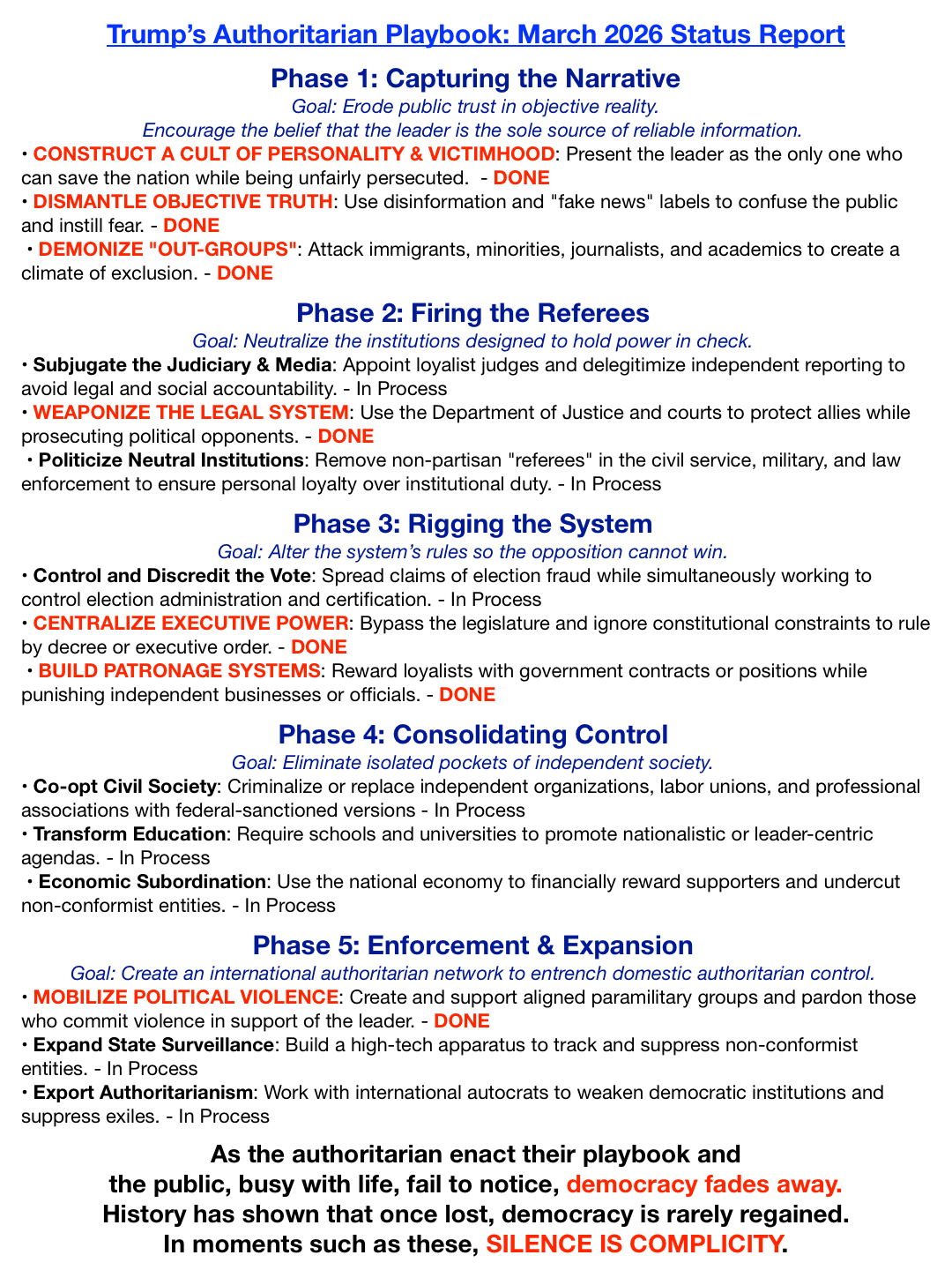

February 17–March 1, 2026
Intellectual
I finished my class, “The Future of the Constitution,” at the Cambridge Center for Adult Education – thanks Joshua, you are a great facilitator/teacher! Although I only read about half of Jill Lepore’s We the People: The History of the US Constitution, in conjunction with the class, I learned a great deal about the founding of our country, the moral and immoral motivations of early Americans and our founding fathers, and how the sausage was made.
I also learned a lot about “originalism.” I cannot say that I am impressed by this form of constitutional interpretation. With respect to judges and justices interpretation of the law, the most important thing I learned is that they rely on the written text of the law, sometimes including writings by the principals in an attempt to understand their “intent.” This differs significantly from the way historians interpret legal texts. When historians look for authorial intent, they cast a much wider net: correspondence between the principals and their spouses, pamphlets, newspapers, writings by the public, and anything else that might be relevant to the context.
There is no single definition of originalism. Some argue that only the text of the legislation matters and nothing else matters. Others argue that the intention of the authors and legislators is paramount, regardless of the relevance to our society 250 years after pen has been put to paper. As we have seen in multiple recent Supreme Court cases, the justices sometimes chooses a variant of originalism or discards all variants of originalism, in order to achieve their desired outcome.
A good example is gun legislation. For most of the 19th and early 20th centuries, gun ownership and gun regulation went hand in hand. Even in the “Wild West,” frontier towns such as Dodge City and Tombstone had strict ordinances requiring visitors to check their firearms at the marshal’s office. The notion that anyone, could carry any weapon, anywhere, would have been anathema. It was not until the mid-1970s that Republicans and the NRA began interpreting the Second Amendment as prohibiting any gun legislation, regardless of the consequences.
As a result, our schools are now felt to be a dangerous places by students (where they practice “active shooter drills”) and firearms have become the leading cause of death for kids 1-19 years old. Clearly the Republican Party does not care about the safety of living, born children, as they prioritize guns over human life.
Blogging
Getting back to where this entry started, I learned a lot about the US Constitution and American history from the class, and that knowledge-base expanded as I researched my blog post: “We may have democracy, or we may have wealth concentrated in the hands of a few, but we can’t have both.” These words are attributed to Supreme Court Justice Louis Brandeis.
I enjoyed validating the quotes I used in the essay and assembling them in a way that could be easily digested by motivated readers. I also had fun creating the graphic, as well as the accompanying social media posts. Ultimately, I stitched together several of my essays to create a narrative:
A.LL
B.ILLIONAIRES
C.ORRUPT
D.EMOCRACY
E.veryone must reassert: WE THE PEOPLE!
What is happening: https://ihaveanidea.us/iasad/
Why is it happening: https://ihaveanidea.us/dw/
How do we stop it from happening: https://ihaveanidea.us/taxwealth/

I also finished another essay entitled “The Corporate Death Penalty: Personhood Must Carry a Capital Consequence” but it has not been posted to my blog, yet. It has been submitted to the Ideas section of the Boston Globe, although I expect it will be rejected. When I submitted it to several AI engines, the typical response was some variation of: “This is a thoughtful and novel idea. The editors are likely to read it in its entirety before deciding whether to reject it.” I suspect the Globe will reject it. If so, I will send it to two or three other outlets before I give up and post it to IHaveAnIdea.us. Unfortunately, no publication will accept it if has appeared publicly anywhere.
At the request of my daughter-in-law, I created another blog entry entitled “Reliable Healthcare Resources.” As the Trump machine has taken over the federal government’s scientific and medical agencies, the information they publish is no longer reliable. The organizations I recommend in this posting provide high-quality, evidence-based guidance for the general public.
Designing Your Retirement
On February 21 and 28, I gave my final two Designing Your Retirement lectures, one to the MIT Club of Boston and the other at Cambridge Center for Adult Education. Over the last three years, I have given the lecture about 17 times, and it has always been well received. Comments From Attendees of “Designing Your Retirement” Lecture.
As it has been a long time since I originally read many of the source articles, I now have to spend several days preparing for each talk. I am not sure I want to keep doing that. My current plan is to leave the material online at Designing Your Retirement and periodically post about the free syllabus and video on social media – so others are aware of the resource. Gail thinks I will return to it at some point. We shall see.
Snow!
We have had more snow in Boston this winter than I have seen in a long time.
I took a photo of Gail walking through Harvard Square a few days ago. Clearly, someone used a snowblower, and a lot of muscle, to carve a path through a deep pile of snow. For 2 days it was a winter wonderland.


Exercise and Reading
As it remains too cold and icy to cycle, I have been consistent about walking. Over the last month, I have averaged about four miles a day, with some days reaching six miles or more. Some of this mileage was driven by my current audiobook, The Man Who Saw Seconds by Alexander Boldizar. I would describe the book as a combination of science fiction, a thriller, a chase, a political and social commentary, and a love story. I suspect it will eventually be made into a movie. It has won several awards:
Winner, 2025 Locus Award for Best Science Fiction Book of 2024
Winner, CIBA Mark Twain Grand Prize for Best Satire of 2024
Finalist, Foreword Reviews for Best Thriller of 2024
Finalist, Eric Hoffer Award
Locus Magazine Best Science Fiction of 2024
“10 for 2024” Year-End Best Books List
I would not call it a great book, but I definitely wanted to keep listening until the end. I just bought a copy for Gail.
As it begins to warm-up here in Boston, cycling is not far off. It has to be at least 43°F before I ride. Otherwise, it takes me hours to warm up when I get home. In early April I intend to restart my MIT Club of Boston Thursday morning cycling group.
Today, I began my next book: “A World Appears: A Journey into Consciousness” by Michael Pollan. We went to high school together. I thoroughly enjoyed his last book, “How to Change Your Mind,” a well-referenced discussion about the history and science of hallucinogenics.
Hypertension (Blood Pressure)
I have now been on blood pressure medication, valsartan 80 mg daily, for several weeks. This is likely long enough to reach steady state. My systolic pressure has dropped by about 20 mmHg. Given my severe aortic insufficiency, there are no published guidelines as to the target blood pressure, but the data are clear that treatment improves mortality. Soon I will reach out to my primary care physician and ask him if this level of control is adequate or whether I need an escalation and therapy. Fortunately, I’ve had no orthostatic symptoms – dizziness when one stands up.
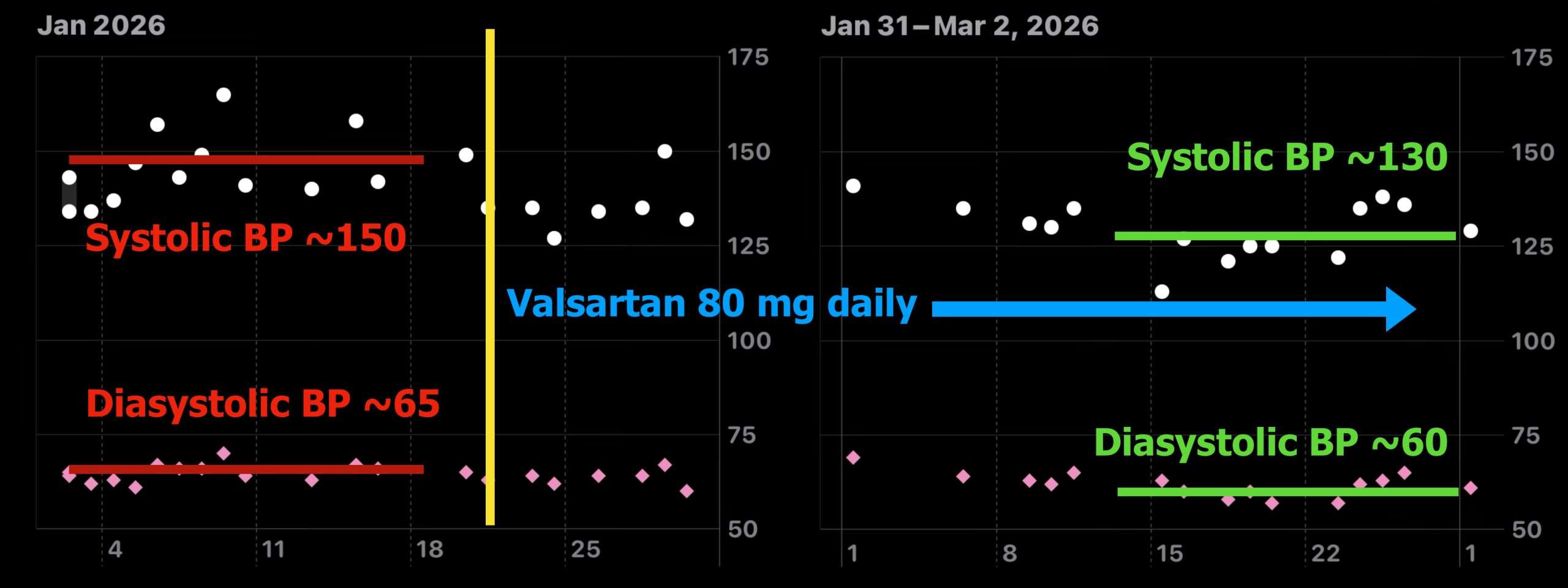
Memory Issue
Unfortunately, I am convinced this is a real problem, and there are no good treatment options. I am scheduled to see a neurologist in August, although it will be a Zoom visit.
Last week, after the big storm, Gail and I went for a walk through Boston. Despite taking a photo at about noon in the Boston Public Garden (above) when she mentions the walk at 8 PM while I was driving her home from her art class, I could not recall the walk and I was too embarrassed to say. Later that night I was able to recall the event, but the memory lapse only reinforces my belief that I have a problem – without a treatment option.
To minimize the impact of my dysfunctional memory, I try to put most events on my calendar. When I need to recall events, such as when I write these diary entries, I review my calendar and my photos.
Other
In the last 1/5 weeks, I watch a Zoom lecture from the Harvard Kennedy School Institute of Politics (interview with David Axelrod), Gail and I had a meeting with our decorator, and I applying for the Harvard Learning in Retirement program. Admission is a competitive process that requires two interviews and written essays.
Gail and I attended an event at the Arrow Theatre called “Passims Presents,” in which Jonatha Brooke performed. She has a strong and dedicated following among people my age, but she was new to me. She sung about life and the songs were mostly upbeat, but they were all very similar in style.
Gail and I had dinner with a couple we never met, S and A. S is an MIT alumnus who saw my notice in the MIT Club of Boston newsletter advertising my Designing Your Retirement lecture. During a long flight to India, he decided to read my ~140-page PDF syllabus, found it interesting, and reached out about getting together. He suggested taking me to his skeet shooting club, which I have never done. Against my own Designing Your Retirement advice, (“Just Say Yes!”,) I declined. Instead I suggested dinner and, he and his spouse joined Gail and me for dinner at Ruth’s Chris Steakhouse. We had a lovely evening. The next time he invites me skeet shooting, I will go. Gail hopes she will be invited as well. I am certain we’ll try to get together again.
January 22 – February 16, 2026
The following is a no particular order.
Theater, Social Media, and Politics
Last week, Gail and I attended a play at Central Square Theater called The Moderate. The lead character takes a job as a content moderator for Facebook, which requires him to view horrific videos and images that have consequences. Both Gail and I thought the play was well worth our time.
I bring this up because I have been posting images on social media, Facebook, X, BlueSky, Mastodon, and Threads, that I have created from historic and contemporary media. They have included difficult and disturbing scenes.
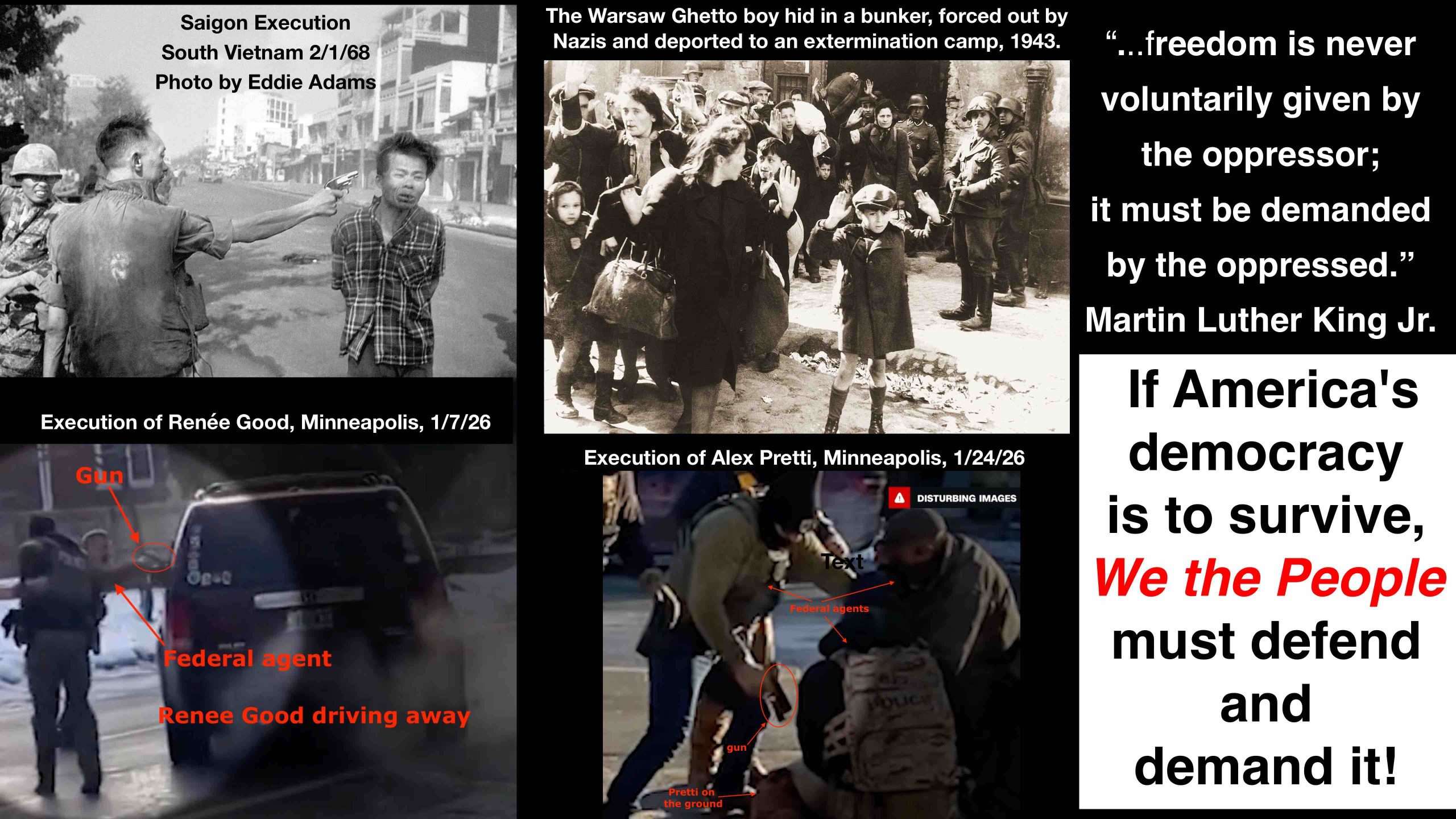


X implied that I was posting things that were either “inauthentic” or maybe “violent.” I can’t be sure which posting they objected to or why. They “degraded” my account so fewer people will see my posting. Although I wanted to have a conversation with them about what they objected to, what I was trying to accomplish, and why I didn’t think my account should be degraded, I couldn’t find a mechanism to do so.
I can understand that people might not like looking at the top two photographs, the historically famous photo of the execution of the Vietnam soldier in the middle of the street, or the historically famous photo of the capture and deportation of the Jewish boy and his family to a concentration camp., it is history and these photos have been widely circulated and are still available.
I can also understand that people might not want to look at screenshots from the video of the killing of two Americans in January by our federal officials. But these images are grainy and we don’t see any faces. I wanted to show people how history is repeating itself. Ignoring reality in an attempt to make America look pretty, is it dangerous undertaking.
Fascism is ugly, and if we do not confront its ugliness, so everyone knows why they should rise-up and fight, fascism will eventually consume us all. Nobody is going to escape fascism’s ugly hand in America.
Today, We can all admire the people of Minnesota, who nonviolently stood up to the fascist actions of our federal government’ arresting and deporting legal residents and citizens without the right to a trial, to due process, the most basic of constitutional guarantees. They did this nonviolently and showed America that Trump’s private military, the 10th largest in the world, is populated with racists, misogynists, and people who have no regard for the United States Constitution.
We can all admire the people of Minnesota, who stood up to the fascist actions of the federal government who were arresting and deporting citizens, ignoring their Constitutionally guaranteed right to due process, to trial. Minnesotans showed America how to nonviolently defeat Trump’s authoritarian army, a personal army whose funding exceeds the defense budgets of Italy, Spain, the Netherlands, and Canada, placing it among the top 20 global military spenders.
While this is a victory for Minnesotans, it is but one battle in a much longer war.
Politics
Despite my efforts since June 2019 ( Democracy in America was Fantastic!!), my efforts to arouse Americans of the dangers of authoritarianism and fascism have had no effect. While a rational person would have long ago decided to “move on,” I find I cannot ignore this issue because it has been burned into my psyche, that fascism has the potential to destroy everybody that I know.
I attempted to alter the trajectory of authoritarianism in Massachusetts with my 8,000 word treatise on 11/5/25, “A Governor’s Guide to Protecting Democracy,” which I sent to my Governor and Attorney General and heard nothing in response. I rewrote the essay as a 1,200 word piece on 11/15/25, “A Governor’s Duty: Protecting Massachusetts from Federal Authoritarianism,” and then as a 1,100 word essay, 2/10/26, entitled “Massachusetts’ Final Bulwark: A Proactive Defense Against the Authoritarian Tide.” It was rejected by The Boston Globe, Commonwealth-Beacon, and The Boston Review, probably because of its discussion of “extra-legal” mechanisms I proposed to protect the state Constitutional rights of the residents of Massachusetts from unjust laws. I will not justify “extra-legal” mechanisms here, but it is justified in Massachusetts’ Final Bulwark: A Proactive Defense Against the Authoritarian Tide, relying on morality and history. Even when I sent this shortest version of my essay to my readers, only a dozen people read it, and the fact that I received no comments suggests it did not resonate.
At this point, I need to give-up my effort to get Governor Healey to adopt pro-active policies to protect our civil rights.
As I mentioned previously, I have tried, and now expanded, my creation of 30 second videos “Is America Still A Democracy” which I advertised heavily on social media with this image or some variation of it. Unfortunately, none of them went viral.
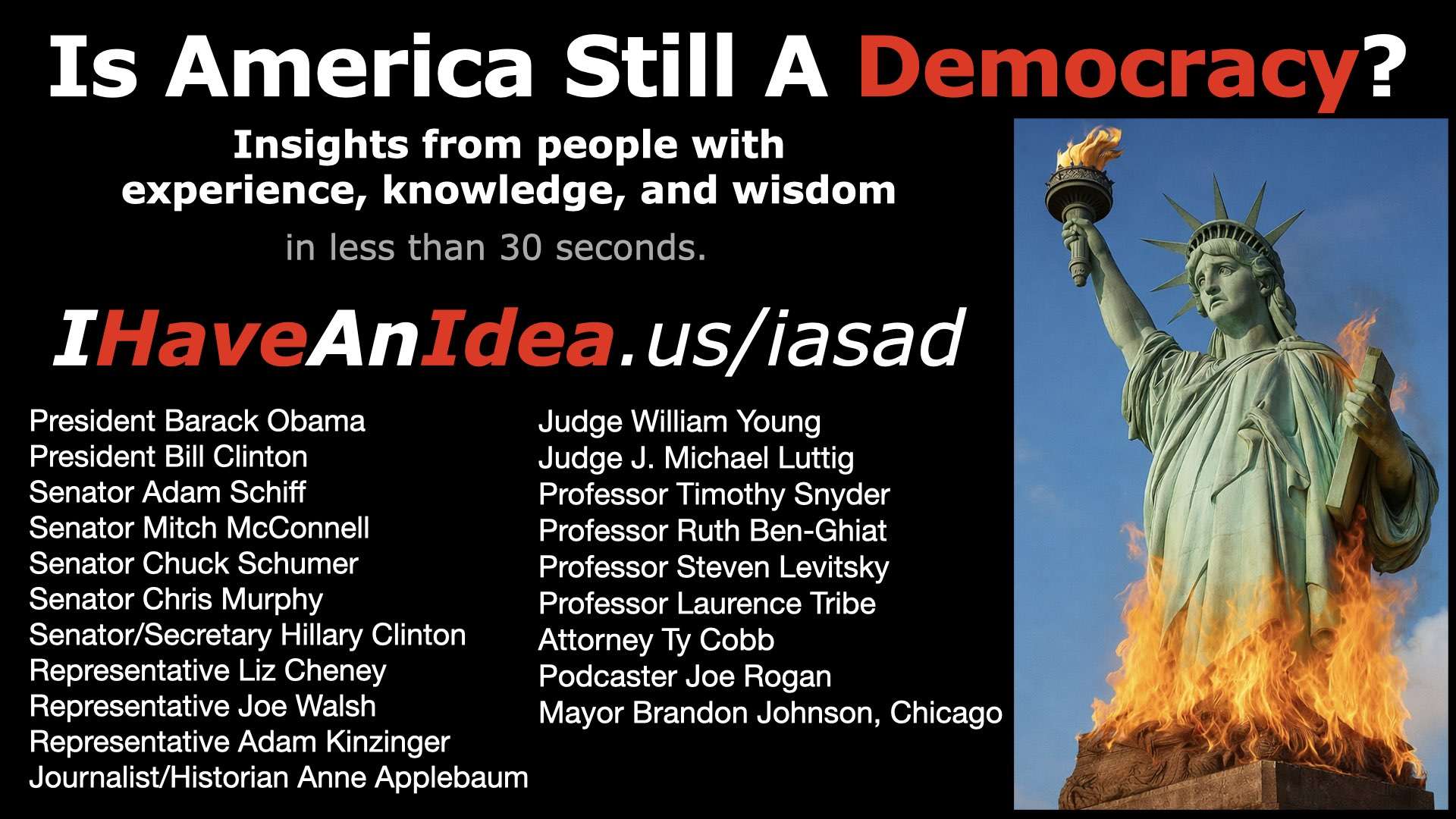
I keep trying, but I keep striking out. This below jpg was created today. Maybe it will work, but probably not. See Yes, It’s Fascism from The Atlantic.

Intellectual
As I mentioned before, I have been listening to the audiobook of Jill Lepore’s We the People: The History of the U.S. Constitution and attending a class, “The Future of the Constitution,” at the Cambridge Center for Adult Education. The last class will be later this week. I have enjoyed it and learned a lot about the history of the Constitution and the “sausage making” that went into creating it. I now know that the Constitution is effectively dead, in the sense that it is impossible to update it for contemporary society; there is no viable path that would allow that to happen. I will not get into the hypocrisy built into the conservatives’ “originalist” interpretation of the Constitution, but it is really nothing more than a selective and intellectual bankrupt process to enable justices to achieve a desired judicial outcome, regardless of the legal or historic record.
Designing Your Retirement lecture #16
Two days ago, I gave another one of my Designing Your Retirement talks to the MIT Club of Boston. This one did not go as smoothly as I would have liked, likely because I had not given the talk for four months. I did not spend four or five days beforehand reviewing the slides and listening to previous talks. Nevertheless, the feedback I received at the end of the lecture was positive. I have one more talk scheduled this coming Saturday at the Cambridge Center for Adult Education, and at this point I am inclined to stop giving the talk, as this will be my 17th lecture. Maybe it is time to move on to another intellectual endeavor. I have sincerely come to believe the talk has been beneficial to many people – and that makes me feel good.
Creative
I finished the frame Gail asked me to make. My original design was for a 2-D frame, by which I mean the frame’s surface is flat. This is a drawing of the original design for this frame.

But as I made it, I evolved into this 3-D frame:
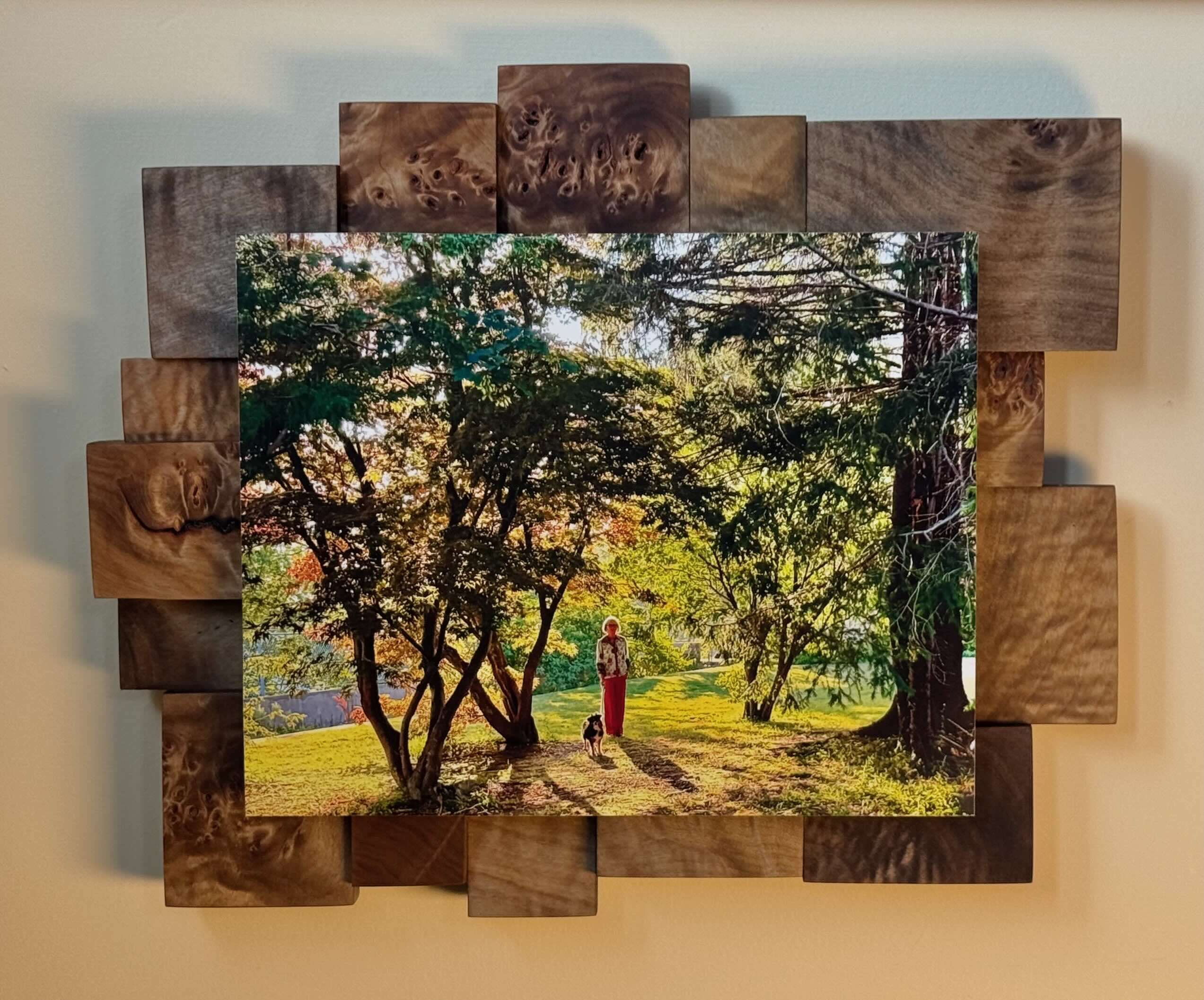
Note the 3-D layers, the surface of the frame is not flat.

However, Gail still preferred the original 2-D design for her painting, so I made this, which she painted in shades of gray:


Home Renovations:
Renovations are now on hold for another two weeks. I’m not looking to blame anybody as it would be nonproductive, bur I think there’s a little bit of blame to go around, including on my shoulders. In order to get the cost down, we have asked the structural engineer to redesign the roof structure, minimizing the use of prefabricated steel.
Snow!
We had a really delightful snow storm January 23-26. 2026 of about 24 inches. It has been four years since our last significant snow storm.
I love a massive snow storm that turns everything white and quiets the city. I even enjoy the shoveling as a form of exercise, as it provides immediate positive feedback. But now I’m ready for the snow to leave and the first sign of spring has been seen. Canada geese have started to migrate back and my fig tree, which was dormant in my basement, is now budding in expectation of spring.
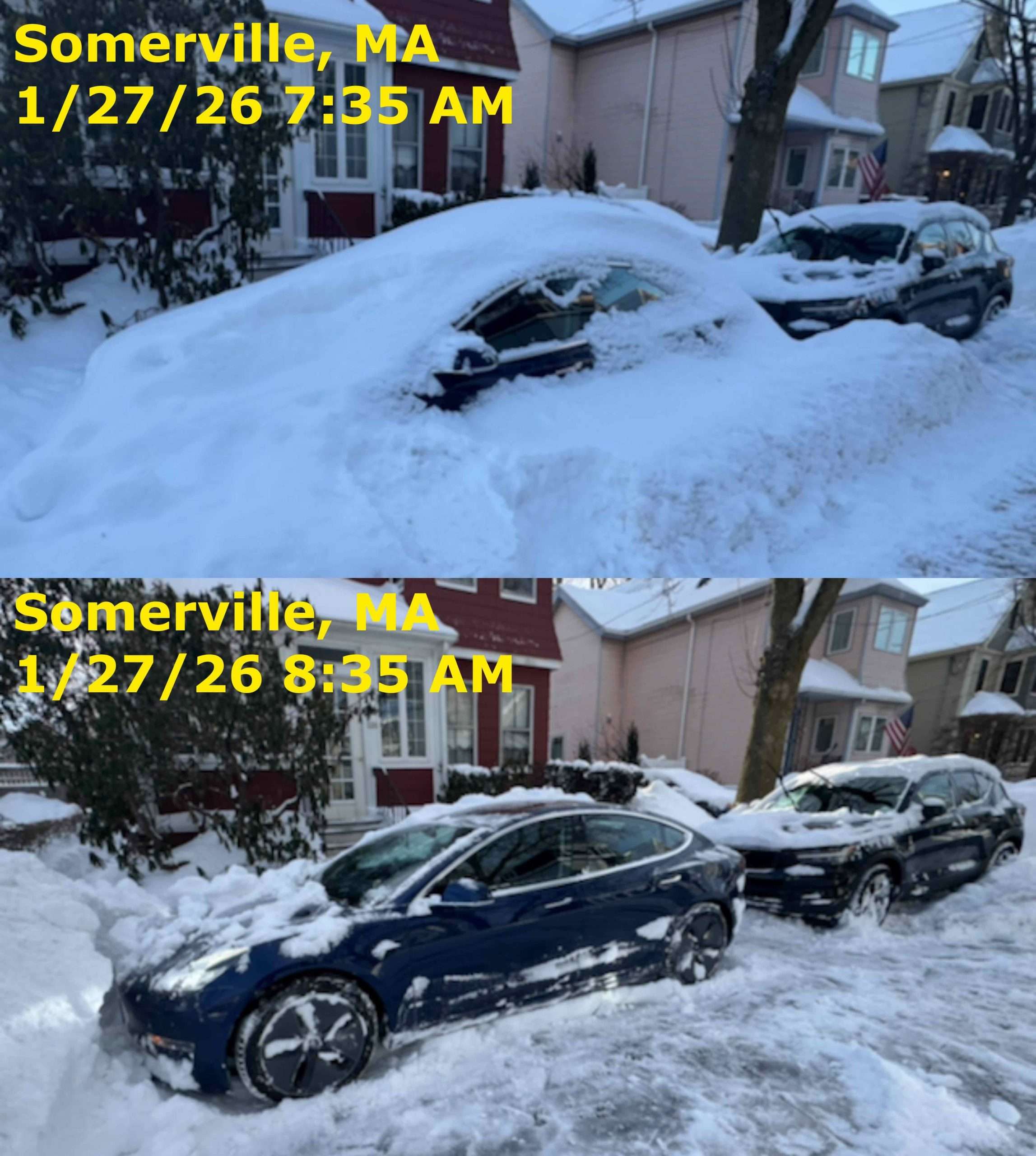
Medical
On the medical front, my new blood pressure medication, valsartan, appears to be effective. Prior to starting valsartan, my blood pressure was typically 140 to 160 over 65. Now it is 115 to 134 over 60 to 65. I believe the systolic pressure is still coming down, so I am going to wait until I reach a steady state before sending the data to my PCP.
Because of my concern about the degradation in my memory, my PCP ordered a MRI (neurologic consultation is scheduled for August). The MRI was essentially normal.
MRI BRAIN (MEMORY LOSS) WITHOUT CONTRAST
Referring clinician’s provided indication for this examination in Epic: * Memory Loss; 71M with word finding difficulty, memory loss
TECHNIQUE: MRI BRAIN (MEMORY LOSS) WITHOUT CONTRAST
Multi-sequence, multi-planar MRI of the brain was performed WITHOUT intravenous contrast.
COMPARISON: No prior examinations available for comparison.
FINDINGS:
Brain Parenchyma: No evidence of acute infarct, mass lesion, or hemorrhage. Punctate susceptibility focus in the right temporal lobe, consistent with chronic microhemorrhage.
Ventricular System and Extra-Axial Spaces: There is no evidence of midline shift or hydrocephalus. Slight prominence of the ventricles and sulci.
Extracranial Structures: Expected arterial flow signal is observed at the skull base.
IMPRESSION:
1. No disproportionate volume loss involving any lobe to suggest neurodegenerative process.
2. No acute/subacute infarction, intracranial hemorrhage, or intracranial mass lesion.
The small bleed is apparently common in people of my age, and it’s not likely a cause for concern.
Those who are not familiar with medicine may think a normal test result precludes the possibility of disease. It does not. For example, a normal mammogram does not mean a person does not have breast cancer. It means that within the resolution of the imaging technique, no abnormality was seen. Of course it is reassuring that I do not have a mass in my brain, but that does not change my opinion that there is some degradation in my memory. I will be seeing a neurologist in August.
Movie:
Gail and I saw a sci-fi comedy at the MIT Museum “Time Travel is Dangerous!” The story centers on two women, who lived in the present, and run a vintage store. The steal objects from the future, and sell them in the present. The movie was entertaining, but it isn’t going to win any major awards.
Lastly, we saw Met Opera HD broadcast of The Amazing Adventures of Cavalier & Clay at the Kendall Square Cinema. It was a refreshingly different kind of opera, somewhere between classical opera and the Broadway musical. It was emotionally engaging, and we both enjoyed it.
January 6-22, 2026
Post-holiday routine has set in, as has the cold weather. I am no longer cycling because of snow, water, and ice on the roads, and temperatures below 43°F. For exercise, I am trying to force myself to walk two hours three times a week, mostly successfully.
In December I averaged 4.1 miles – 9,600 steps per day, and in January I am now averaging only 3.4 miles – 8,500 steps per day. I walk at about 2.5 miles 2,500 steps per mile. This works out to about 9-10 hours of walking per week and a reduction in all-cause mortality, vs minimal walking, of about 23%.
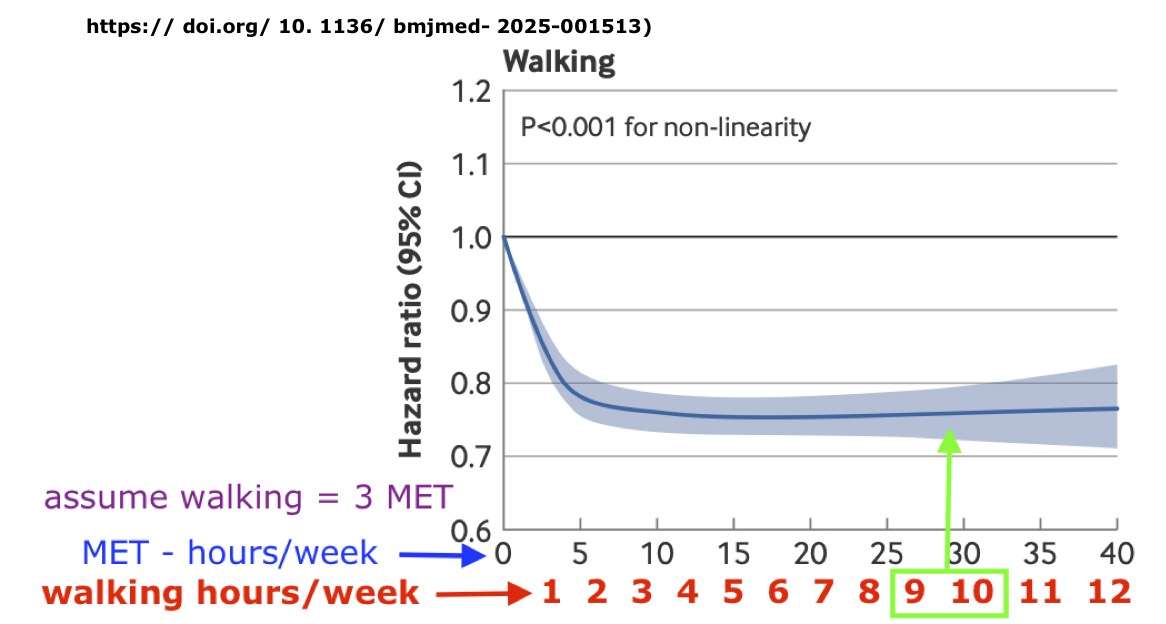
It should be mentioned that “correlation” does not imply causality.
Home renovations:
The deconstruction process has begun in earnest. As every room in the house will have something done to it, we have moved most of our furniture into storage. Gail has decided that living in the house is too noisy and dirty, and she will move to her sister’s house 3-4 miles away or across the street at a friend’s house, both while the those homes are vacated. Because we have two dogs and I am still comfortable in our house, for now, I will stay at home. Construction, or should I say destruction, typically begins about 7 AM and ends at 3 PM.

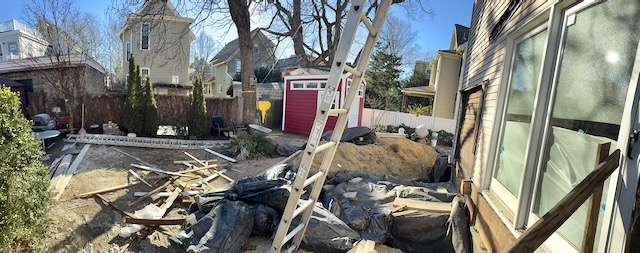
Social:
I have had three of my retirement groups meet, the first, second, and third Wednesday of this month. I changed the venue to Caffe Nero in Porter Square from Life Alive Cafe in Davis Square, as the former is less noisy and more conducive to conversation. Given Caffe Nero’s seating plan, I have to arrive about an hour early so as to secure the single large table that can accommodate 8-10 people. Usually we’ll have six or seven attendees. I have asked the supervisor if I can reserve the table, but that is not allowed.
As an experiment Gail and I have continued to FaceTime couples we know around the country who we have not seen recently, and that continues to be enjoyable.
We were invited to dinner at the home of one of the people (D) who attends one of my retirement groups, and that was fun.
Democracy:
I continue to do my democracy work, although I am getting burnt out on the small rallies which don’t seem to accomplish anything. I understand that this is a long-range plan, but I’m getting concerned that I don’t see masses of Americans consistently out on the street protesting the clearly authoritarian / fascist behavior of ICE and other federal agents in Minneapolis. I read yesterday that a secret memo was leaked from within ICE at it allow ICE to now break into people’s houses and take people away, even though they do not have a judicial warrant. They are arresting people purely based on their ethnicity (per the mayor of Minneapolis) and in the absence of any serious criminal convictions. The Department of Justice has been thoroughly politicized and has begun issuing subpoenas to Democratic politicians across the country, including President Clinton and Secretary Clinton, the governor of Minnesota, and the mayor of Minneapolis, and we can expect this process to go further. I am hoping that all of these people refuse to honor the subpoena and delay enforcement, appealing the issue to go all the way to the Supreme Court. Of course, when the House of Representatives previously subpoenaed Republicans working in the Trump administration they refused to honor the subpoena.
I attended the 1/10/26 “ICE-OUT for GOOD” rally on the Boston Common in front of the Massachusetts State House. There were about 1,000 people, not nearly enough. Many people wanted to take pictures of the banner and my dog.


I have continued working on two projects. The first is a complete rewrite of my essay A Governor’s Duty: Protecting Massachusetts from Federal Authoritarianism, which I couldn’t get published anywhere. Yesterday I finished rewriting the essay, adding emotional, historic, legal, and moral arguments, and I mentioned the counter argument in the hope that Commonwealth Beacon will accept it for publication. I hadlistened to Commonwealth Beacon’s January editor talk in which he explained the type of essays they are hoping to publish on their Opinion section, and it seems like my revised essay, which I titled “Massachusetts Needs a Proactive Pro-democracy Governor,” meets their specifications; but honestly, I’m not too optimistic. If they reject it, maybe I’ll try Boston magazine.
I’ve also continued working on my “Is America still a democracy?” series. To date, I have posted 17 videos, and I will add others as I hear statements made by respected individuals. I have been trying to push these individual videos, as well as the entire project, on social media (Bluesky, Facebook, X, Mastodon, LinkedIn, Threads, Substack) hoping one will go viral, without any luck. I’ll keep trying in the hope that somebody with a lot of followers reposts my posting.
Health:
I had my annual well visit with my primary care physician, who is a second-year medical resident at Massachusetts General Hospital, overseen by an attending physician. Not unexpectedly, I was started on a blood pressure medication. I explained that I was worried about my memory and thought that I should see a neurologist who could monitor whether or not my memory/cognitive function is in a state of decline. Although nothing really can be done about the course of the disease, if real, knowledge of my cognitive trajectory might determine whether or not I would be willing to have aortic valve surgery, if and when the time comes. Given the state of the healthcare system, the appointment with the neurologist is not for nine months.
Creations:
I have continued to look for creative endeavors.
I have finished the toy truck for my 2 year old granddaughter. I am uncertain when I should give it to her. My son says now, as she’s interested in trains and trucks. I was thinking of delaying it until she could recognize her own name in writing, as I carved it into the back of the truck as if it was a license plate. Maybe I’ll give it to her when we go out to California to meet our next grandchild, who is due in April.
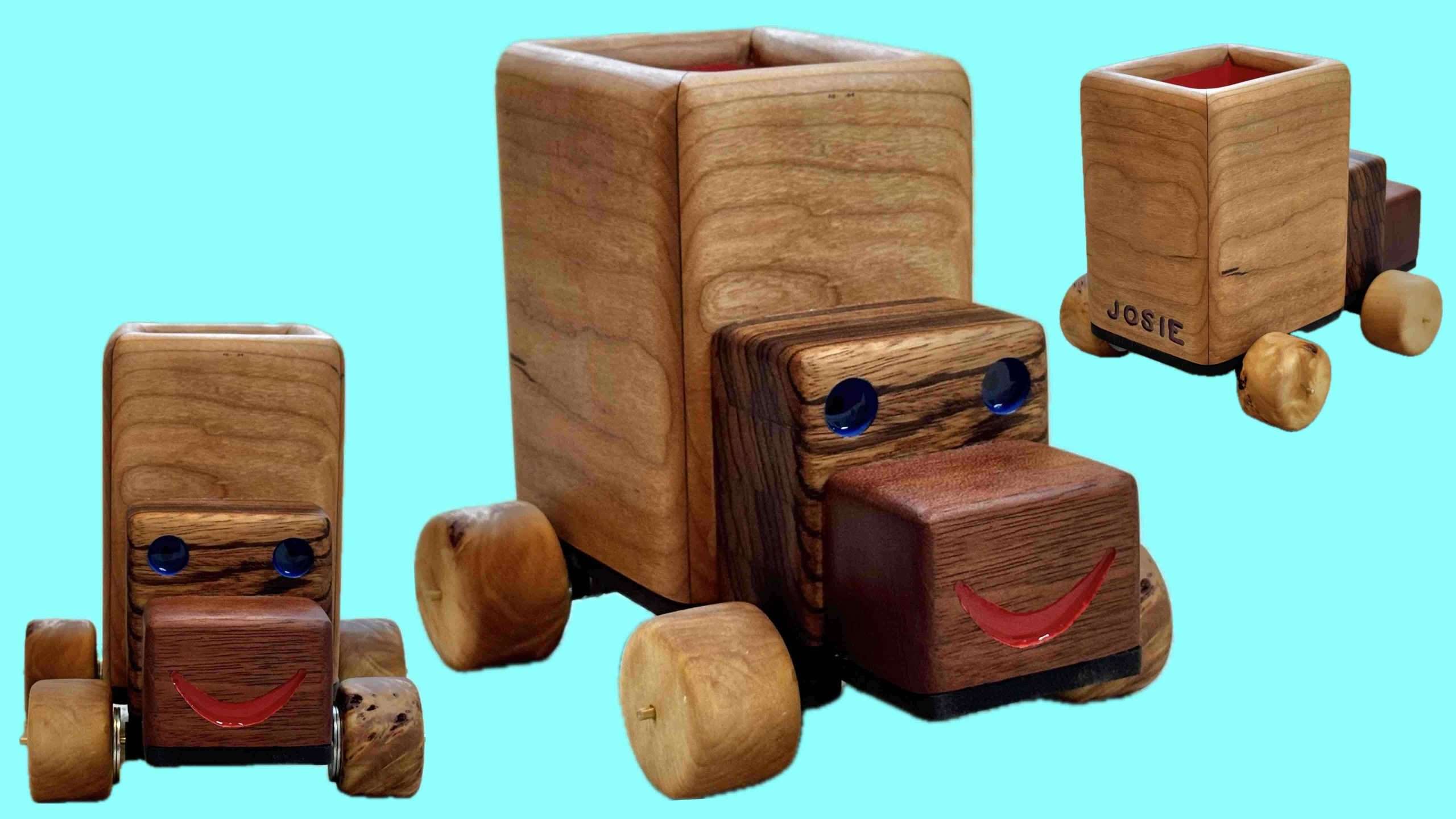
I saw the movie The Mystery of Picasso (Le mystère Picasso, 1956). If you’ve haven’t seen it, you can read about it on Wikipedia.
Intellectual:
I gave up on the audiobook “Stories of Your Life and Others” after getting half-way through it as it did not retain my attention.
I have enrolled in a class, “The Future of the Constitution,” at the Cambridge Center for Adult Education, which will discuss Jill Lepore’s book “We the People: The History of the US Constitution.” The first class is today at 3:30 PM. At 2 PM I will watch Making Democracy Interesting: Tips from TV, Podcasts, Science Fiction, and Online Creators given by Harvard’s Ash Center and at 5:30 PM I will watch Scott Eyerly’s Virtual Met Opera Lecture on The Amazing Adventures of Cavalier & Clay. Gail and I will be attending the Kendall Square Cinema presentation of the Metropolitian Opera HD broadcast in two days. As the movie is sold-out, I am fortunate to have purchased tickets 2 months ago month. And maybe, unlikely, I will attend Boston Indivisible monthly meating at 6:30 PM
Entertainment:
I have stumbled upon the TV show “Minx” on Netflix. For those who are prim and proper, this is not the show for you; but I’m finding it to be both novel and humorous.
I’d have to say that right now life is a little bit uncertain/unstable, in the sense that I’m not sure where I’m going to live because of the ongoing renovations. Gail has decide to move out of our house for now because of the dust and noise. Our plan is to see each other every day for lunch or dinner, or for a walk, and I may eventually join her, although it is problematic with respect to how to manage the dogs as they are not welcome in everybody’s home.
December 24 – January 5, 2026
Memory
I am increasingly concerned about my memory. On occasion, I find it difficult to recall nouns, although sometimes they later pop into my head. I often cannot remember whether I have read a particular book, or recall its plot. Today, while on a four-mile walk, the word “helix” came up in my audiobook, and I had to stop and think before I could remember the shape of a helix.
I have been reluctant to undergo formal neurologic testing because there really is not much that can be done to meaningfully stave off cognitive decline. Also, I am not sure I am ready to learn definitively that my cognitive function is significantly impaired and getting worse.
From my research for my Designing Your Retirement syllabus, known risk factors for dementia. (percent of dementia attributable to this risk_, include:
Untreated hearing loss (7%) – my hearing is normal
High LDL cholesterol (7%) – I have been on therapy since about age 30
Less education (7%) – not relevant to me
Social isolation (4%) – I have been working hard to expand my social circles
Depression (4%) – not relevant to me
Traumatic brain injury (3%) – not relevant to me
Air pollution (2%) – not relevant to me
Physical inactivity (2%) – since retirement, I cycle or walk about six hours per week
Smoking (2%) – not relevant to me
Diabetes (2%) – not relevant to me
High blood pressure (2%) – not relevant in the past, but likely now requires treatment
Untreated vision loss (2%) – not relevant to me
Obesity (1%) – not relevant to me
Excess alcohol use (1%) (women >1 drink/day, men >2 drinks/day) – not relevant to me
It is also known that loss of the sense of smell (anosmia) is associated with an increased risk of dementia. I lost my sense of smell as a result of COVID in 2021 and have long COVID. But this is only a statistical association, not likely causally related.
Complicating all of this is the fact that I have severe aortic insufficiency, sometimes referred to as aortic regurgitation. Once I develop symptoms, or the structure or function of my heart begin to change, I will require aortic valve replacement. This can only be done via an open procedure, i.e. open-heart surgery. Unfortunately, it is well established that open-heart surgery is associated with some degree of cognitive decline.
Below are excerpts from OpenEvidence, a reliable AI platform for medicine:
At four to six weeks post-surgery, approximately 12.4% of elderly patients demonstrate postoperative cognitive dysfunction, decreasing to 7.5% at one year. Most patients return to baseline cognitive function by one year…
The risk of permanent stroke ranges from 2–8% after open surgical approaches for thoracic aortic disease.
New neurocognitive deficits occur in approximately 9% of patients at two to three weeks post-surgery, with all new deficits resolving by six months in one prospective study.
Postoperative delirium occurs in up to 51% of patients aged 70 and older undergoing surgical aortic valve replacement.
Despite these complications, most patients exhibit improved physical quality of life and unchanged mental scores without clinically significant cognitive decline on long-term follow-up.
Data on cognitive outcomes specifically for severe aortic insufficiency, as opposed to aortic stenosis, and beyond one year are limited in the medical literature.
Of course, I put this info into my blog so I can come back and reference it later, as I will not remember the details. What I will remember is that, maybe, at one year I would be back to baseline, although the data are limited for patients with severe aortic insufficiency.
I have a meeting with my primary care physician next week, and my next appointment with my cardiologist is in November 2026. Maybe I should get a baseline neurologic assessment, because if a serial assessment shows a rapid decline in cognitive function then the risk/benefit ratio of open-heart surgery becomes less favorable.
Entertainment
Gail and I have season tickets to the American Repertory Theater, and we attended the play Wonder, The Musical. We always go with our friends B and J, and this time we were also accompanied by their niece S, who recently finished her PhD in biology and is now working in Rhode Island. It was a fun evening. Although the play was emotionally engaging, I would not call it a great musical – even though I expect it will have wide appeal. I thought the play lacked sophistication in the staging, choreography, lyrics, music; and the plot was predictable. Nevertheless, there were multiple moments during which I cried, as did the other four people attending with me.
I recently finished the audiobook Nightfall and other Stories by Isaac Asimov. I enjoyed it. The stories range from classic science fiction, e.g the opening story Nightfall, is widely considered a classic, but also include Asimov’s only romance story, his only story dealing with Judaism, his shortest story at about 330 words, and reflections on his creative process. Each short story had a preface, which greatly enhanced my enjoyment of the story.
Today I began Ted Chiang’s Stories of Your Life and Others. It is too early to say much about this audiobook as I have only listed to about 20%.
Gail and I watched the movie Is This Thing On? at home. It begins with the amicable breakup of a marriage and follows how the two people subsequently cope. Given my unwillingness to watch stressful movies, especially those involving violence, cruelty or mean people, there are not many films I will not attempt to watch – which is somewhat limiting. We both enjoyed the movie although it appealed to me more than to Gail, primarily because it made me think about relationships.
Social
On a whim, I reached out to P and R and arranged a FaceTime call with them. I had not done this (FaceTime call) before, but it seemed like a good idea. P and R are one of the three “Vanderbilt” couples with whom we have vacationed every year or two in various parts of the country. It is a fun group to spend time with. Over the years we have rented houses on the Chesapeake Bay, Kaua’i Hawai’i, Bar Harbor, the Florida Keys, and we will be renting a house in northern Italy in May. I think I will make FaceTime calls with some other couples in the near future.
This year Christmas was at A and L’s house in Milton. Our kids do not come back for this holiday, as they spend it with their spouses’ parents, so it is a relatively small gathering of maybe 25 to 30 people, as opposed to the 45 to 50 who attend on July 4. It was, of course, nice to see everyone. The number of small children under the age of ten has increased significantly and will increase even more by our next family gathering in July.
We went to one of Gail’s friends’ house, T and S, who live within a half mile of us. They were a lot of fun to talk with. S is a cyclist, so I will let him know when my cycling group starts up in the spring. He would also be a good person to add to my retirement group, if there were an opening.
New Year’s dinner was at M’s house, as it was last year. She has a very educated and entertaining group of friends and the conversation is always stimulating given the careers of the attendees ((physician, lawyer, judge, Democratic politics), especially about politics. This year was no exception.
Intellectual and Political
I have created a social media “campaign” to get people more concerned about the state of democracy in America, which can be seen at: Is America Still A Democracy? and uses this photo as an eye-catcher. If you have an idea how to promote this on social media, let me know.
I have continued to work on revising my essay, The Governor’s Guide to Defending Democracy, trying to reduce a 20-plus-page tome into an emotionally engaging op-ed for the Boston Globe. I have little expectation that they will publish it, as my argument will be seen as too radical. A prior version of that essay (sans the emotional impact) can be read here. A Governor’s Duty: Protecting Massachusetts from Federal Authoritarianism. My prior failure will not deter me from trying again.
House Reconstruction
Over the past 1-2 weeks, Gail and I have been packing up our house in preparation for our renovations. Every room in the house will be touched so the rooms need to be emptied (or easily emptied) when needed.
Gail did most of the packing, as she has more stuff. I did all of the furniture disassembly. The movers came today – unfortunately the quoted price low-balled the actual price by a lot – fortunately the three men who did the work were very professional.
Demolition begins in one week, by late February the rough framing should be done so we will be able to see how the new space will look. The entire project is slated for completion by August.
Thank God 2025 is over. It was a horrible year from a political perspective. I wish I could say that I think 2026 will be better. Unfortunately, I believe that politically speaking, things will get worse before they get better, if they get better at all.

I have been distributing this photo to people on New Year’s with a caption “Thankfully the shitshow of 2025 is over. Hopefully the light (aurora borealis) at the end of the lava river is a premonition of better days to come.”
Last post for 2025
December 7–23, 2025
Today is my 71st birthday. There is no way to describe 71 except as old. Yet all is good and I am still happy.
Everything I wrote on my 70th birthday (scroll to bottom of this page) still applies.
Tomorrow I will be 70 years old, which is a landmark age.
I am not surprised that I “don’t feel 70.” For the last two decades I have always “felt” 2 decades younger than my actual age.
Of late, I have noticed that my cognitive function and memory are not as good as they used to be and it takes me longer to arise from sitting on the floor. I’m not saying that either of these changes are out of the norm, but they are a little bit disconcerting, especially the former.
I am not one who celebrates birthdays as signficant real landmarks. For me, age is a continuum and I do not perceive “getting old” as a negative. I know Americans prize and glorify “youth”, but I’m not one of them. Maybe this is because my role models for the elderly were my grandmother and mother, who were such positive role models. Or maybe it’s because I’m a physician and I’ve seen how life unfolds and I accept aging as simply a normal part of life.
I remain concerned about my memory and cognitive function. While they are not clearly improving, but it is also not obvious that they are getting worse. To compensate for the degradation in my memory, I rely heavily on my calendar and my photo archive to create an record of what I have done, and can use on occasion, like this, to recall events.
Sometimes I find that, on a moment’s notice, I cannot recall whether I have read a particular book, or retrieve the book’s story/information. It turns out this (forgetting what was read) is not uncommon. There is a substantial literature on the phenomenon, with titles like Why We Forget Most of the Books We Read. I also came across the “forgetting curve,” which models how rapidly memory decays over time. None of this is reassuring, but it is oddly normalizing.

Since my last diary entry, we received the construction permit to allow us to begin renovating our house – start date 1/12/2026 with an expected duration into August 2026. We are removing the entire third-floor attic and replacing it with a mansard roof. This will convert two small, cramped rooms under the peak of the A-frame into two modest bedrooms, a sitting room, a full bathroom, a deck, and, critically, a legal staircase connecting the second and third floors. It will finally be safe to carry a child up and down. With a total of three grandchildren by May 2025, this expansion is essential if we want to have our grandkids visit.
Our initial plan is to remain in the house during construction. Whether that is realistic remains to be seen. Finding temporary housing that will accommodate two dogs, keeps me near my woodworking tools, and allows us to stay close enough to the construction site to answer questions in real time is both difficult and expensive.
I continue to host my monthly retirement brunches, which I enjoy. The all-male group has become somewhat fragmented, largely due to attendees traveling. I am considering expanding it by one additional person to ensure a minimum of five attendees at each meeting.
Ten days ago I went to The Burren, “my” local bar, for “Opera on Tap Boston,” a noon-to-2 p.m. event. A group of five opera singers, accompanied by a historian and pianist performed a substantial portion of Handel’s Messiah, with historical commentary woven throughout. The score/libretto were distributed by QR code and many sung along. It was joyful, accessible, and unexpectedly moving.
That evening I went to Darling, a new restaurant in Central Square with L and K; Gail was still in California. L has been my friend since 11th or 12th grade, when we participated in an American Youth Hostel cycling trip to Prince Edward Island. He grew up north of New York City, I grew up east of NYC, on Long Island. We saw each other occasionally through high school, then mostly, but not completely lost touch after college. I remember him showing up in my Cornell dorm room during my sophomore year, at 2 AM and being surprised to find me studying. We drifted apart for decades, then reconnected maybe 15-20 years ago. The friendship resumed easily and has endured. I value it, and I enjoy our time together and with K, his spouse.
Gail returned from Napa on December 15 after a three-to-four-week stay at an Airbnb – discussed in my prior entry below. She had a wonderful time with our two grandkids and hiking with Sierra in Yosemite.
On December 17 we attended Mount Auburn Cemetery’s annual SOLSTICE: Reflections on Winter Light installation. The cemetery is a horticultural and historical treasure, and worth visiting in every season.
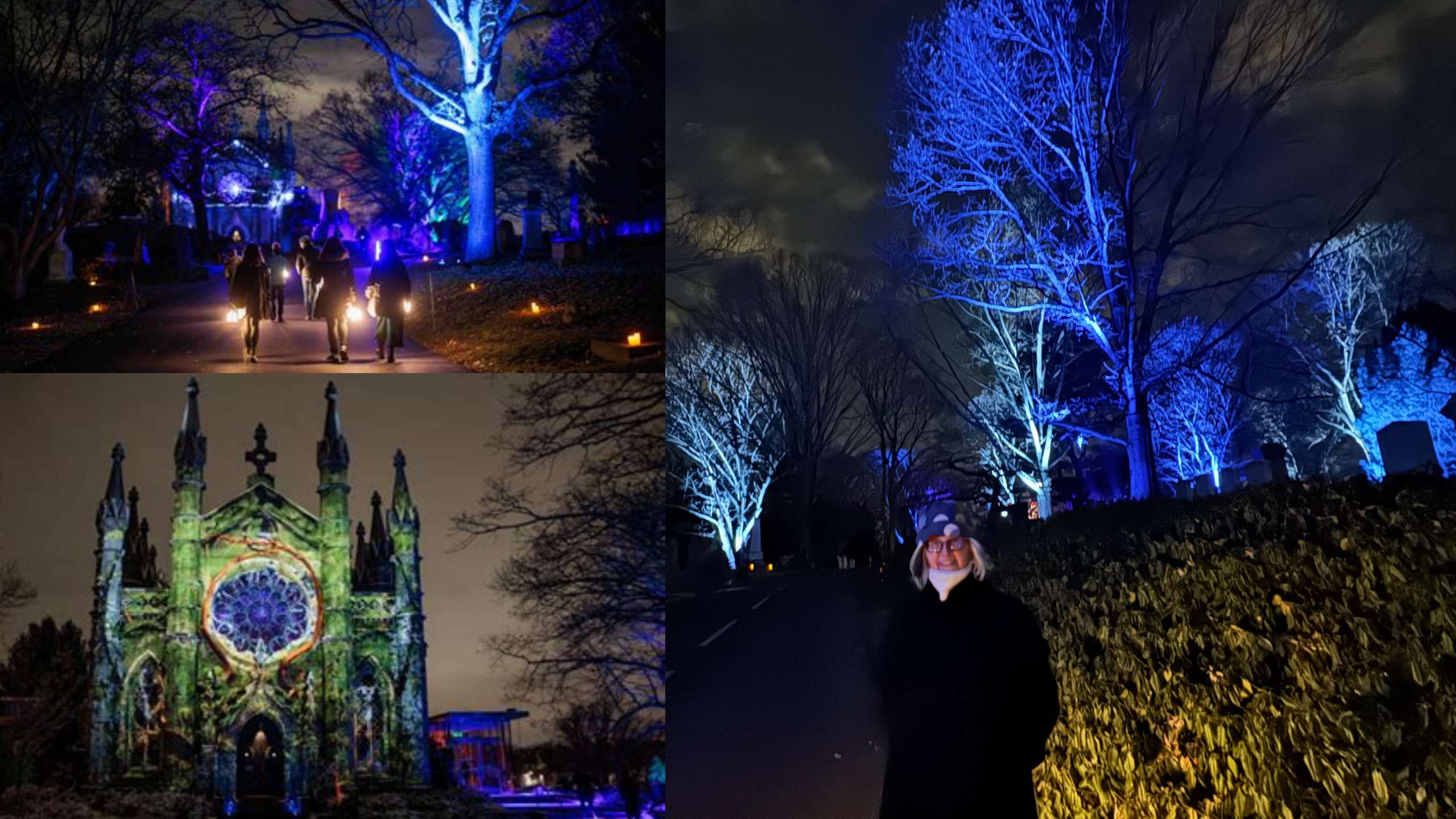
Gail and I were invited to a “three-cocktail party” hosted by K, a participant in my MIT Club of Boston cycling group. He had to stop riding with us when his teaching schedule (Prof at Northeastern) changed. We were the oldest attendees by at least two decades. The guests were interesting and fun to talk with. Early in the evening we were each handed a cocktail. About ninety minutes later, while I was talking with a woman at least a generation younger than I, she said, “You are a respected elder. Could you please ask K to make more cocktails?” Of course I complied, but I will certainly remember that phrase: respected elder.
I have been working on several creative projects since my last dairy entry.
One project is a wooden truck for my granddaughter, made from scrap wood. It is nearly finished. The only unresolved decision is whether to change the color of the red wheels.
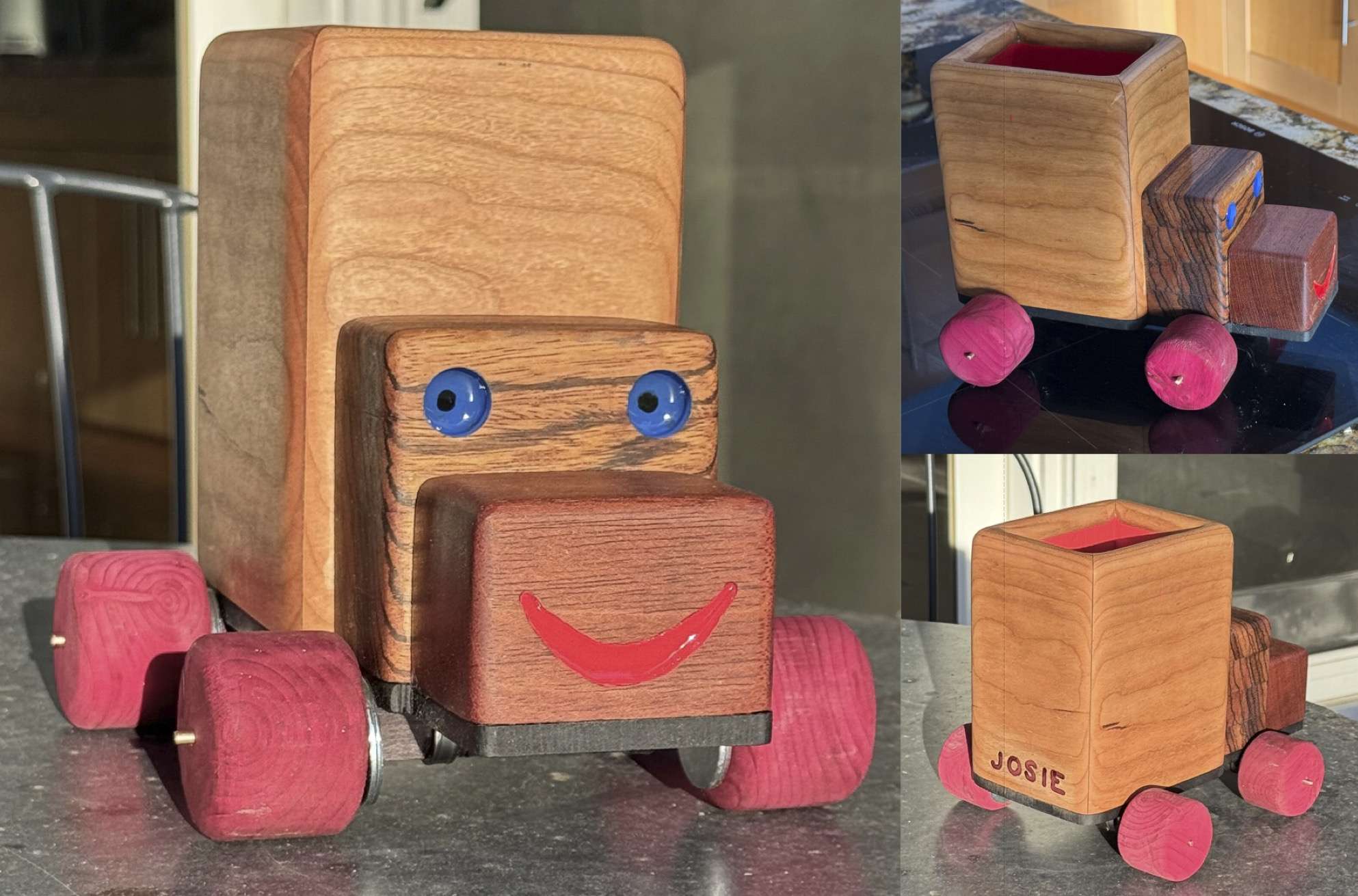
I am also revising an essay that began as a 27-page document for Boston Indivisible; it was later condensed into a roughly 1,000-word essay, and is now undergoing another revision, with the hope that if I add more emotional content I might find someone to publish it.
In addition, I am working on a 2- minute pro-democracy video which will be composed of statements from 1-2 dozen respected or well-known figures commenting on the decline of democracy in America. I have completed the research and assembled the quotes, sources, and URLs. What remains is the creation of the graphical components then assembling it into a video. I incorporate brief audio or video clips of the speakers themselves.
Of course, the house destruction/construction is going to be a time consuming affair.
I have now completed my third year of retirement. I remain happy, and mostly busy enough. I should probably write an essay titled Retirement Update @ 3 Years to accompany the earlier ones: Retirement Update @ 3 months, Retirement Update @ 8 months, Retirement Update @ 2 Years, – to be determined.
________________________________
My Retirement Diary 2026 Jul-Dec, 2026 Jan-Jun, 2025, 2024, 2023
________________________________